

 See My Latest Article on HelloNation
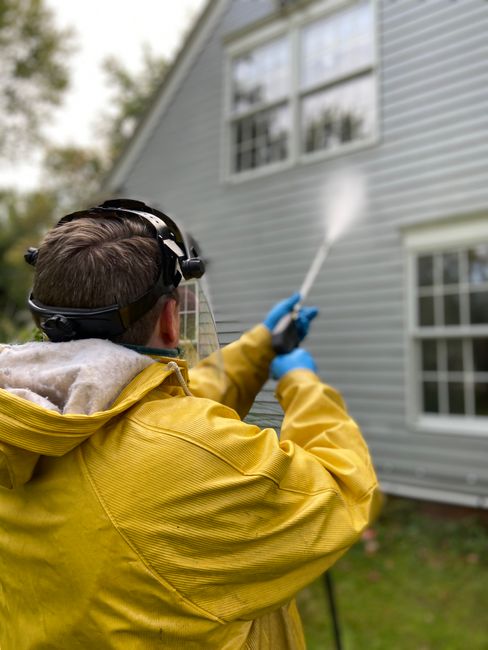
Can All Outdoor Surfaces in New Smyrna Beach, FL Handle Pressure Washing?
Not every outdoor material responds well to forceful water cleaning, no matter the climate. In the humid, coastal environment of New Smyrna Beach, where homes are exposed to salt air, sand, and seasonal storms, it’s especially helpful to understand where pressure washing is safe—and where it can quietly cause costly damage.
Why Should You Avoid Pressure Washing Certain Surfaces?
Some common exterior finishes and features on homes in New Smyrna Beach simply aren’t designed to stand up to concentrated, high-powered water. Intense jets may strip paint, erode softer materials, break seals, or send water behind protective layers. While pressure washing can be a practical part of property care, knowing what to avoid helps preserve curb appeal and structural health.
Which Materials and Features Are Too Delicate for Pressure Washing?
Several surfaces regularly found on properties around the city are best left out of the pressure washing routine:
- Aged Wood Decks and Fencing:
Older boards can become porous or splintered thanks to coastal moisture and sun. High-pressure water may force open splinters, strip natural oils, or drive water deep into the wood, inviting warping and decay. This is especially true for unsealed or previously painted wood surfaces.
- Roof Shingles (Especially Asphalt):
Pressurized water risks lifting or breaking shingles, dislodging granules, and voiding manufacturer warranties. In an area with frequent rain and wind, this can mean more than appearance issues—exposing your roof to leaks and water damage.
- Stucco and Soft Masonry:
Decorative stucco, common on many local homes, is surprisingly fragile, especially if it’s older or has hairline cracks. Masonry like sandstone or mortar joints can also erode or chip away under fast-moving water, leading to structural and aesthetic issues.
- Lead Paint or Peeling Painted Surfaces:
Any area with peeling or flaking paint, particularly in historic homes, may contain old coatings that could be hazardous if aerosolized. Strong jets can blast paint chips into the air and the yard.
Are There Surfaces That Require Special Care or Lower Water Pressure?
A number of finishes can be pressure washed in principle, but only using specialized techniques:
- Windows and Door Seals:
Although sturdy glass panes may appear safe, the seals between panes, trim edges, and screens can be surprisingly vulnerable. High-pressure spray can force water past seals, leading to fogging or interior damage. Window cleaning with pressure washing is possible but should be handled using low pressure, wide fan tips, and substantial distance.
- Exterior Electrical Fixtures:
Light fixtures, outlets, and control panels on patios or exterior walls can let water inside easily, and forced water is much more likely to find a path than rainfall. These areas are not designed to be pressure washed, regardless of how weatherproof their rating may seem.
- Composite Decking:
Synthetic decks, while durable, can have manufacturer-specific restrictions about cleaning. Pressurized water can strip away finish or leave unsightly marks, especially if set too high.
Are Brick and Concrete Always Safe for Pressure Washing?
Even though concrete drives and brickwork are durable, they are not immune to issues:
- Cracked or Loosening Mortar in Brickwork:
High-powered washing can widen gaps or send water behind the brick face, particularly damaging on older homes in the community.
- Stamped or Decorative Concrete:
Any area with colored, patterned, or sealed finishes risks having its protective top layer stripped, fading the surface or allowing stains to penetrate more easily.
What About Outdoor Living Spaces and Accessories?
Seasonal features and decorative elements often aren’t built for heavy-duty cleaning:
- Outdoor Furniture:
Items built with wicker, untreated wood, or thin metal are prone to denting, splintering, or paint loss if pressure washed without caution.
- Vinyl Siding (with Loose Seams):
While often considered easy to clean, if vinyl panels have shifted or been damaged in a storm, spraying at an angle may push water underneath, creating hidden mold or encouraging rot in unseen layers.
How Do Local Conditions Make a Difference?
High humidity, storms, and proximity to the ocean introduce extra exposure to salt and moisture in New Smyrna Beach. Over time, this can soften sealants and weather materials more than inland locations. Surfaces that might handle pressure washing elsewhere could be more fragile locally due to these factors, especially after hurricane season or long stretches of damp weather. Homeowners are wise to consider not just the material, but its age, previous repairs, and sun exposure.
What Signs Indicate Pressure Washing May Cause Harm?
Look for indicators that a surface is vulnerable:
- Visible cracking, blistering, or softening in paint or sealants
- Movement, lifting, or soft spots in decking or siding
- Flaking, powdering, or grainy texture on stucco or brick
- Gaps between trim, panels, or around window edges
Spotting these signs is a cue to step back, and helps target safer maintenance options.
Are There Alternatives to Pressure Washing for Delicate Surfaces?
For sensitive or at-risk surfaces, soft washing with mild solutions and low water pressure, or hand-scrubbing areas gently, often achieves a refreshed look without risk. Sometimes maintenance routines must be adapted based on material condition, combined with regular visual inspections after periods of heavy rain or high humidity.
What If You’re Unsure?
Uncertainty is always valid. If there’s doubt about a material’s suitability, treating it with caution or seeking specialized advice is the most practical approach. In a climate like New Smyrna Beach, informed exterior care strengthens home resilience—preserving value and curb appeal beyond a single cleaning session.