

 See My Latest Article on HelloNation
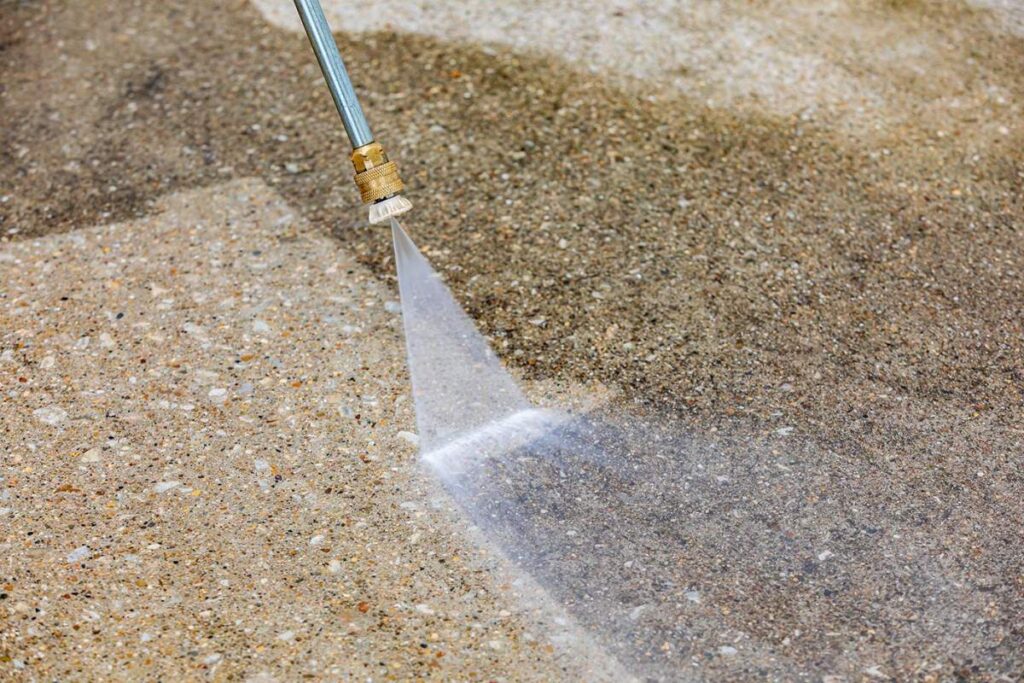
Why does DIY exterior cleaning often look different from professional results?
In New Smyrna Beach, FL, exterior surfaces face a combination of strong sun, humid air, salt exposure, rain, pollen, and organic growth. A do-it-yourself cleaning may remove some visible dirt, yet still leave behind discoloration, embedded buildup, uneven shading, or surface damage.
The difference is usually not effort. It is the combination of surface knowledge, equipment control, preparation, and technique. Professional exterior maintenance is designed to clean according to the material being treated rather than applying the same approach to every part of a property.
A driveway, screened enclosure, painted siding, roof surface, and concrete walkway each respond differently to pressure, moisture, heat, and cleaning agents. Results can fall short when those differences are overlooked.
What makes household equipment less effective?
Consumer pressure washers are useful for certain light-duty tasks, but they often have limited flow, pressure control, reach, and accessory options. A machine may appear powerful while still producing an uneven result across a large surface.
Common limitations include:
- Narrow spray patterns that leave visible cleaning lines
- Inconsistent distance from the surface
- Limited access to high or awkward areas
- Slow recovery between sections
- Attachments that are poorly matched to the material
- Difficulty maintaining an even pace over broad surfaces
A wand held too close can etch concrete, strip paint, disturb joint sand, or damage wood fibers. Held too far away, it may only lighten the surface without removing the underlying buildup. Professional results depend on controlling pressure, angle, distance, flow, and movement together.
Why can a surface look clean but still have problems?
Appearance alone does not always show whether cleaning was thorough or appropriate. A surface may look brighter after a quick rinse while remaining vulnerable to rapid return of staining or organic growth.
For example, dark areas on concrete may extend below the loose surface residue. On textured pavers, buildup can remain in joints and low areas. On exterior walls, water may move behind trim or into gaps if the spray is directed poorly. On painted or coated surfaces, excessive force can create dull patches that become more visible as the surface dries.
Professional exterior maintenance generally includes closer evaluation before cleaning. The goal is not simply to make a surface look different for a few hours. It is to improve its condition while preserving the finish, edges, joints, coatings, and nearby structural details.
How does technique affect different exterior materials?
The same pressure setting is not appropriate for every surface. Material type, age, condition, coating, and previous repairs all influence the cleaning method.
Concrete and masonry
Concrete can tolerate more pressure than many exterior materials, but excessive force may create wand marks, expose aggregate, or worsen small cracks. Older slabs may also have uneven porosity, causing some areas to brighten faster than others.
Masonry surfaces can hold moisture and organic buildup in textured areas. Cleaning too aggressively may damage mortar or remove loose material that was already weakened.
Painted siding and trim
Painted surfaces require controlled pressure and careful attention around seams, vents, windows, and joints. A strong stream can force water behind siding or lift fragile paint. A surface that appears clean from the ground may still have missed areas beneath eaves, around fixtures, or behind landscaping.
Wood and composite materials
Wood can show raised grain, striping, and fuzzy fibers after improper pressure washing. Composite decking may have manufacturer-specific limitations and can develop uneven color when cleaned with an overly concentrated spray.
Roof surfaces
Roof cleaning is not comparable to washing a driveway. Roofing materials can be damaged by foot traffic, excessive force, or poor water direction. The condition of shingles, tile, metal, flashing, and nearby drainage details all matter.
Why are edges, corners, and elevated areas commonly missed?
DIY cleaning tends to focus on the most visible, easiest-to-reach sections. Edges and transition points are harder to clean evenly because they require changes in angle and movement.
Frequently overlooked areas include:
- The line beneath roof edges
- Corners beside downspouts
- Fence posts and gates
- Steps and vertical risers
- The edges of driveways and walkways
- Areas beneath railings
- Screen frames and enclosure supports
- The shaded side of exterior walls
These locations often collect more moisture and debris than open surfaces. Uneven cleaning can make the remaining buildup stand out, especially after the surface dries in strong sunlight.
Does professional cleaning protect the property as well as improve its appearance?
Proper exterior maintenance can support property protection by reducing the accumulation of substances that hold moisture against surfaces or conceal small maintenance issues. Cleaning may also make it easier to notice cracked sealant, loose coatings, damaged joints, rust marks, or deteriorating wood.
The protective benefit depends on using a method suited to the property. Excessive pressure can cause its own problems, including chipped finishes, damaged mortar, displaced joint material, and water intrusion around vulnerable openings.
A careful process usually considers:
- The material and age of the surface
- Existing cracks, coatings, or repairs
- Areas where water could enter
- The effect of shade and moisture
- Access limitations around landscaping and structures
- How the cleaned surface will dry
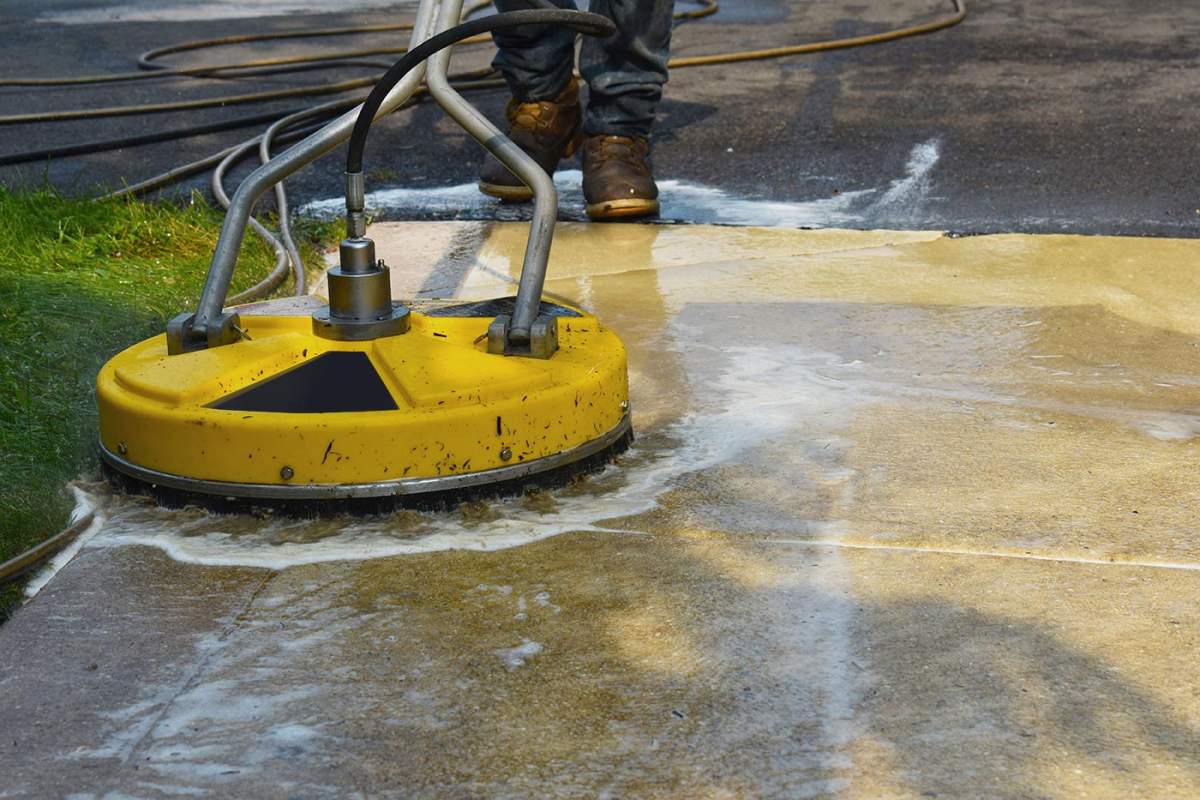
This is why professional exterior maintenance is more than a stronger version of household rinsing. It involves managing risk while improving the condition of the property.
Why do results sometimes fade quickly after DIY cleaning?
Fast return of discoloration does not always mean the surface was cleaned incorrectly, but it can indicate that only the visible layer was removed. Some buildup is held in porous concrete, textured masonry, shaded joints, or damp areas that receive limited airflow.
Local weather patterns can also shorten the period between cleanings. Humidity, frequent rain, coastal air, and intense sunlight create changing conditions across the same property. A shaded walkway may behave very differently from a sun-exposed driveway only a few feet away.
Longer-lasting results are more likely when cleaning is consistent with the surface condition and when underlying maintenance issues are recognized. Poor drainage, persistent shade, damaged sealants, and areas that stay damp can all affect how quickly a surface changes again.
When is professional exterior maintenance especially useful?
Professional methods are particularly valuable when the property includes delicate materials, multiple surface types, elevated sections, extensive staining, or signs of damage. They are also useful when a homeowner cannot safely control spray direction, ladder access, or water movement around the structure.
A knowledgeable evaluation can help answer practical questions such as:
- Is the discoloration surface dirt or deeper staining?
- Can this finish tolerate pressure washing?
- Why did the surface become uneven after a previous cleaning?
- Is the dark area caused by organic growth, age, or coating failure?
- Should a damaged section be repaired before it is cleaned?
- Which areas need the most careful handling?
The main advantage is not simply a brighter appearance. It is a more informed approach that balances cleanliness, surface preservation, safety, and the long-term condition of the property.
What should residents look for after an exterior cleaning?
A properly maintained surface should be evaluated after it has dried fully, since wet materials can temporarily appear darker or more uniform than they are. Look for consistent coverage, preserved finishes, clean transitions, and no obvious signs of damage.
Useful observations include:
- Whether cleaning marks are visible in broad sections
- Whether edges and corners received similar attention
- Whether paint, sealants, or joint material remain intact
- Whether water is collecting where it did not before
- Whether previously hidden repairs now need attention
DIY cleaning can be appropriate for limited, low-risk tasks. However, professional results come from matching the method to the property, recognizing vulnerable materials, and treating exterior maintenance as part of property care rather than a quick rinse.