

 See My Latest Article on HelloNation
Can Pressure Washing Damage Brick Houses?
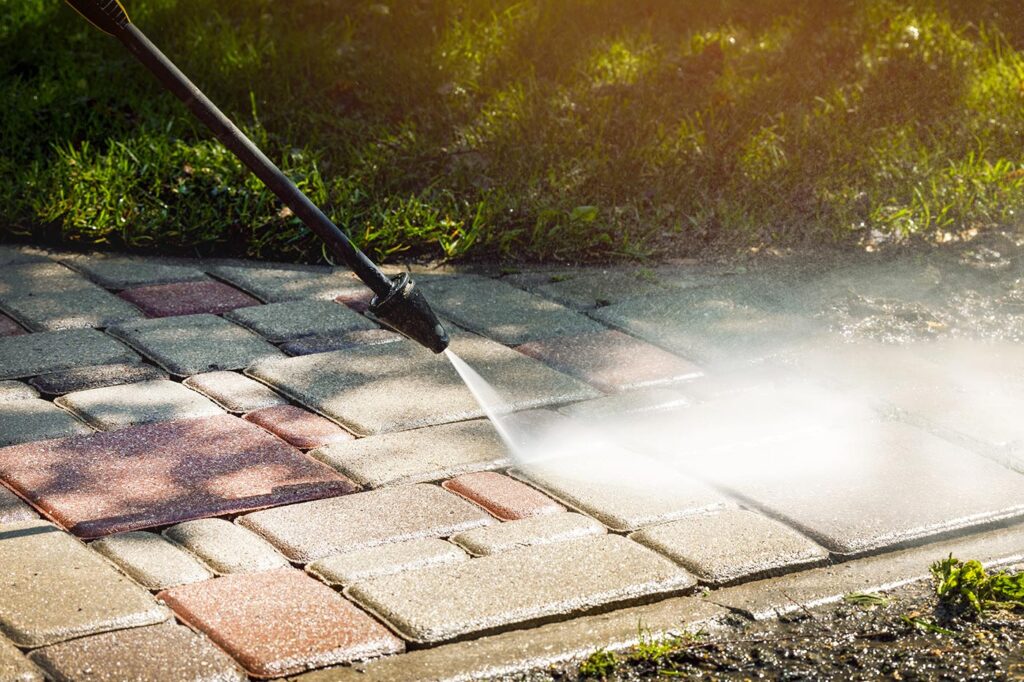
Pressure washing is a common way to clean exterior surfaces, but brick homes require special care. Brick is durable yet porous, and not all cleaning methods are suitable. Carefully used, pressure washing can safely clean brick exteriors, but improper technique or excessive force may cause permanent damage.
In the humid subtropical climate of New Smyrna Beach, homes face issues like mildew, algae, and salt buildup more frequently than in drier areas. These conditions make periodic exterior cleaning essential for both appearance and preservation. Still, it's crucial to approach pressure washing brick with an understanding of local housing trends and materials.
What Makes Brick Vulnerable During Cleaning?
Not all brick is created equal. Some older homes in New Smyrna Beach were built using softer, handmade or reclaimed bricks, while more modern properties may use harder fired brick with improved resistance. All brick, however, shares several cleaning sensitivities:
- High pressure can erode the brick’s protective surface, leading to premature deterioration.
- Mortar joints are especially vulnerable, with the risk of washing out the soft bonding material.
- Cracks, chips, or already weathered bricks may worsen if exposed to aggressive water force.
Pressure washing that is too powerful or uncontrolled can strip away fine particles, opening the door for moisture intrusion—especially important in a coastal environment where humidity and seasonal rains are persistent.
How Should Pressure Washing Be Adjusted for Brick Surfaces?
For residents of New Smyrna Beach, gentle, methodical cleaning is key. The safest cleaning methods for brick typically involve:
- Lower pressure settings (often below 1,500 PSI)
- Wider spray angles to spread force across a greater area
- Consistent nozzle movement to prevent concentrated wear
- Avoidance of direct spraying at mortar joints or cracked areas
Water temperature and distance from the surface also play roles—moderate temperatures and a several-inch buffer from the wall limit risk to the brickwork. Local weather patterns, such as high humidity or coastal winds, may affect drying times or cleaning effectiveness, so timing and approach may need to be adjusted.
Are There Signs of Damage Residents Should Watch For?
Any cleaning, even with great care, has risks if existing damage is present. After cleaning, residents should look for:
- Fresh cracks or loose mortar
- Newly exposed aggregate within the brick
- A chalky, gritty residue on surfaces (signifying material loss)
If any of these signs appear, further pressure washing should be avoided until repairs are made.
Is Pressure Washing the Best Option for Routine Brick Maintenance Here?
Pressure washing is effective for tackling mold, algae, salt, and surface dirt, all common in the area’s humid, sea-adjacent climate. Many brick homes, especially those with shaded northern exposures or proximity to tree cover, develop streaks and splotches that hand washing may not remove.
Still, it isn’t always the preferred solution for every situation. Textured or delicate historic brick, or areas with crumbling mortar, may benefit more from alternative cleaning strategies that use even gentler water flow or soft brushing.
What Do New Smyrna Beach Residents Commonly Overlook?
A few locally relevant points are often missed:
- The impact of salty air and coastal rain: Even inland neighborhoods can experience accelerated surface buildup and staining.
- Lawn irrigation: Sprinklers that hit brick walls can boost algae growth, leading to more frequent cleanings.
- Sun exposure: Bricks in full sun dry faster after cleaning, which helps limit mildew regrowth—shaded areas may need a different approach.
Homeowners sometimes assume all brick exteriors respond the same way to pressure washing, but results can differ based on age, mortar composition, paint or sealer use, and even house orientation.
Should Pressure Washing Be Avoided in Any Cases?
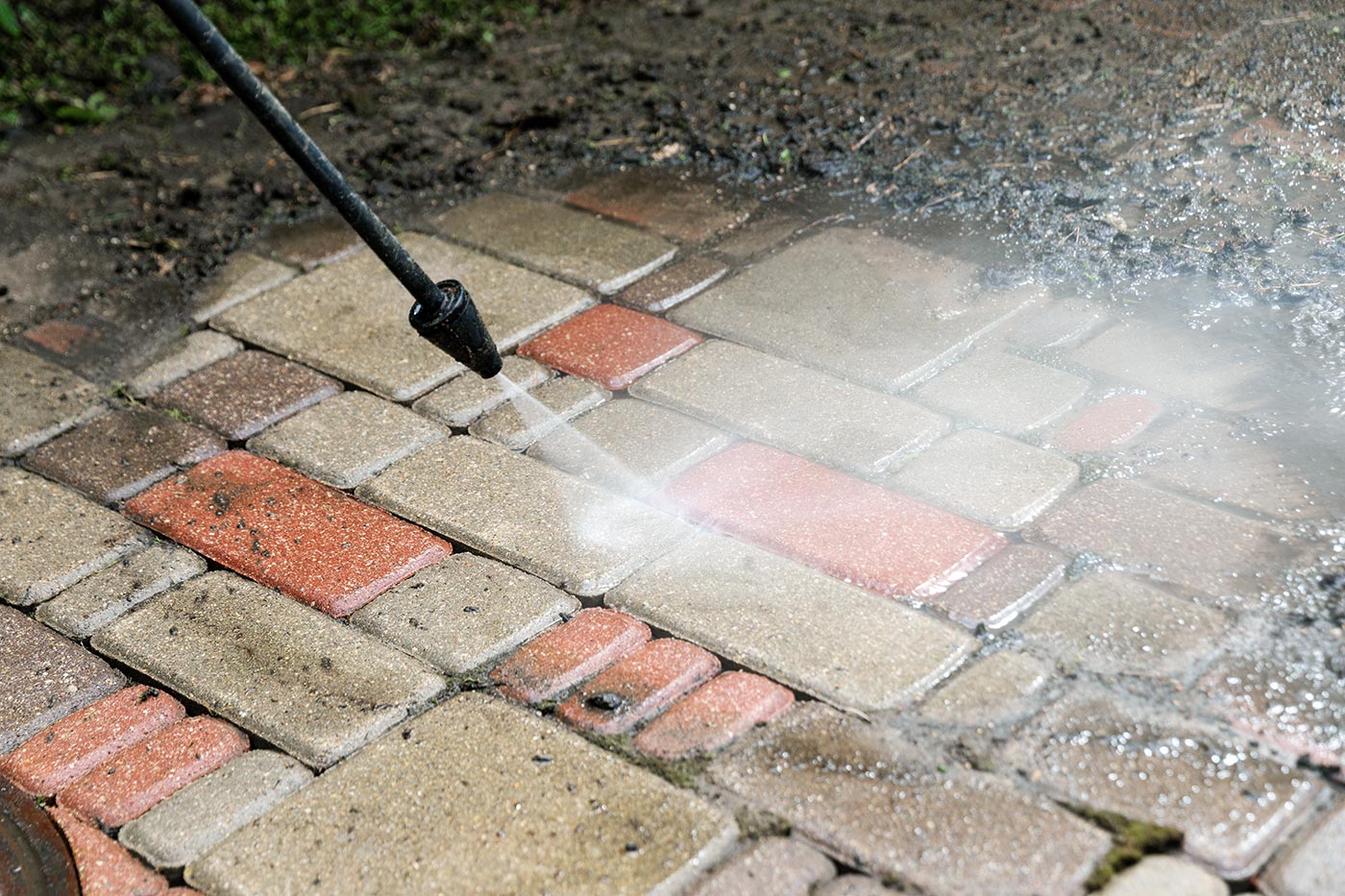
Heavy pressure or improper techniques should never be used on:
- Severely weathered or historic bricks
- Mortar showing visible crumbling
- Painted brick surfaces that aren’t meant to be stripped
Since some historic homes in the city may date back decades, an initial assessment of the exterior’s condition is crucial to identify potential weak points.
What About Maintenance Frequency for Brick Exteriors?
Households in New Smyrna Beach often wonder how often their brick should be cleaned. For most brick homes:
- Annual or every-other-year washing generally keeps algae, salt, and mildew at bay
- Extra attention may be needed after tropical storms or extended rainy seasons, which can introduce more organic debris and moisture
- Homes under heavy tree cover or close to the Intracoastal Waterway may require more frequent checks
Choosing gentle, routine cleaning prolongs the life of both brick and mortar, especially when combined with annual visual inspections.
How Does Local Climate Affect Cleaning Results?
The blend of warmth, humidity, and salty breezes in this region means biological growth comes back quickly. Bricks tend to stay damp for longer, which can speed up mildew and algae return if not properly cleaned and left to dry. Scheduling cleanings during sunnier stretches and monitoring surfaces after storms are helpful habits for maintaining curb appeal.
What Should Residents Do If They're Unsure About Their Brick's Condition?
If damage is already suspected or a home is quite old, a careful inspection of the exterior is recommended. Specifically:
- Check for crumbling or hollow-sounding mortar joints
- Look for significant surface wear, peeling paint, or deep cracks
- Consider if previous repairs may affect how the brick reacts to water pressure
An informed approach helps area households keep their brick homes both beautiful and structurally sound for years to come.