

 See My Latest Article on HelloNation
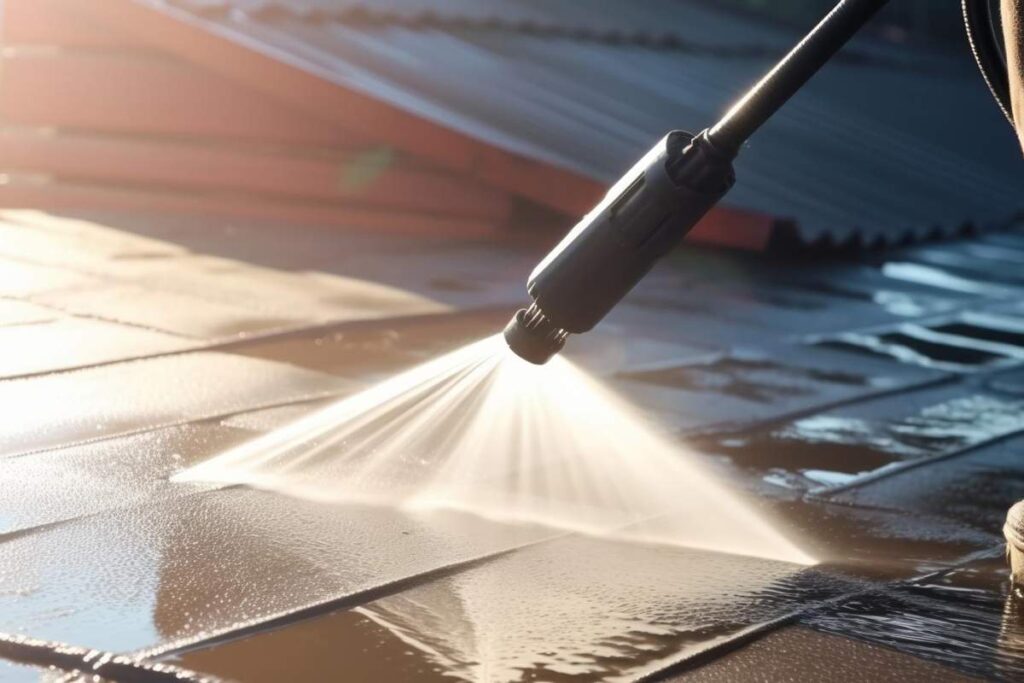
Homeowners in New Smyrna Beach, FL are increasingly weighing the limits of do-it-yourself exterior cleaning against the advantages of experienced maintenance. The decision is not simply about convenience. It often involves protecting siding, roofs, screens, pavers, painted surfaces, landscaping, and the long-term condition of the property.
DIY cleaning can be appropriate for small, accessible tasks. However, larger or more delicate exterior surfaces may require better equipment, careful pressure control, and an understanding of how different building materials respond to moisture and force.
Why does professional exterior cleaning appeal to homeowners?
Professional cleaning offers more control over difficult surfaces, larger areas, and conditions that are easy to misjudge. A trained technician can adjust the cleaning approach based on the material, the type of buildup, the age of the surface, and the location of the work.
Many homeowners also choose this option because exterior cleaning is physically demanding. Reaching upper walls, roof edges, screened enclosures, walkways, and pool decks can involve awkward movement, ladders, repeated bending, or extended exposure to heat and humidity.
The main reasons residents consider professional maintenance include:
- Lower risk of surface damage
- More consistent results across large areas
- Better access to elevated or difficult-to-reach surfaces
- Less time spent preparing, cleaning, and correcting mistakes
- Improved ability to identify maintenance concerns before they become larger repairs
The value is often found in accuracy rather than simply cleaning power.
What can go wrong with DIY pressure washing?
The most common misconception is that a stronger spray produces a better result. Excessive pressure can damage paint, loosen caulking, scar soft materials, force water behind siding, or leave visible marks on concrete and pavers.
Different surfaces require different treatment. Vinyl siding, stucco, painted wood, screens, roof materials, and decorative masonry do not respond in the same way. Even concrete can be affected by an uneven spray pattern or by cleaning too closely in one area.
Potential problems include:
- Stripped paint or damaged coatings
- Broken screen panels
- Etched concrete
- Displaced joint sand between pavers
- Water intrusion around windows and doors
- Damage to aging siding or brittle exterior materials
- Streaks caused by inconsistent distance or overlapping passes
A homeowner may not notice the problem immediately. Some damage becomes visible after the surface dries or after repeated exposure to rain, sun, and coastal air.
Why is local climate relevant to exterior maintenance?
New Smyrna Beach has a warm, humid coastal climate with frequent rain, strong sunlight, and airborne salt in many areas. These conditions can encourage organic staining and make exterior surfaces appear dirty again sooner than homeowners expect.
Moisture tends to collect on shaded walls, screened structures, walkways, roof sections, and areas near landscaping. Homes near the coast may also experience additional exposure to salt-laden air, while properties farther from the shoreline can still face humidity-related discoloration and seasonal storm debris.
This does not mean every home needs the same cleaning schedule. Surface orientation, tree cover, drainage, building age, nearby vegetation, and the material itself all affect how quickly buildup develops.
Professional maintenance can be useful because the cleaning approach can be matched to the property instead of treating every surface as if it were the same.
Does professional cleaning protect the property?
It can help preserve exterior materials by removing buildup before it becomes more established or begins to interfere with normal maintenance. Dirt, algae-like staining, pollen, and other deposits can make it harder to see cracks, peeling paint, deteriorated sealants, or areas where water is not draining properly.
Cleaning is not a substitute for repairs, but it can support a broader property maintenance routine. A cleaner surface is easier to inspect, repaint, reseal, or evaluate before listing a home for sale.
For coastal properties, keeping exterior surfaces in reasonable condition may also help homeowners notice early changes to railings, fasteners, trim, doors, concrete, and other exposed components. The cleaning itself does not correct corrosion, cracking, or structural problems, but it may make those conditions more visible.
Is DIY cleaning always a bad idea?
No. Small, low-risk areas that are close to the ground may be reasonable for homeowners who understand the equipment and the surface being cleaned. A garden hose, soft brush, or other low-impact method may be enough for light dust or loose debris.
The concern grows when the project involves:
- A roof or elevated surface
- Tall exterior walls
- Large screened enclosures
- Older or fragile materials
- Painted or stained finishes
- Areas around windows, vents, doors, and electrical fixtures
- Heavy organic discoloration
- Sloped walkways or slippery surfaces
A project that begins as a simple weekend task can become more complicated when equipment must be transported, ladders repositioned, or damaged areas repaired.
How does professional cleaning save time?
The cleaning process includes more than spraying a surface. It may involve evaluating materials, choosing an appropriate method, protecting nearby features, working in sections, rinsing thoroughly, and checking the finished result.
For a homeowner, those steps can take most of a day or longer, particularly on a larger property. Mistakes may also create additional work. Streaking, missed sections, overspray, or damaged finishes can require a second cleaning or a repair project.
Professional maintenance may therefore be attractive to homeowners who prefer predictable project planning, especially before seasonal gatherings, property inspections, renovations, or a change in occupancy.
What questions should homeowners ask before exterior cleaning?
Before any cleaning project, homeowners should understand what surfaces are included and how delicate areas will be handled. Useful questions include:
- Which materials will be cleaned, and which should be treated differently?
- Is the proposed method appropriate for older siding, stucco, screens, or painted surfaces?
- Are roof areas, walkways, patios, and enclosures evaluated separately?
- What signs of damage should be addressed before cleaning?
- How will access issues, gates, furniture, or fragile features affect the work?
- What level of surface improvement is realistic?
Clear answers help prevent unrealistic expectations. Professional cleaning should improve the appearance and maintainability of a property without being treated as a cure for failing materials or unresolved water problems.
When is professional help most reasonable?
Professional exterior maintenance is most reasonable when safety, height, surface sensitivity, or property size makes the project difficult to control. It is also useful when a homeowner is unsure whether discoloration is ordinary dirt, biological growth, oxidation, paint failure, or an indication of a deeper maintenance issue.
For many households, the choice is less about avoiding all DIY work and more about assigning the right task to the right level of equipment and experience. Routine light cleaning may remain manageable at home, while larger, elevated, or delicate projects benefit from a more measured approach.
In a coastal community, that distinction can help preserve exterior materials, reduce avoidable damage, and keep maintenance decisions focused on the actual condition of the property.