

 See My Latest Article on HelloNation
How Does Local Climate Affect Concrete Patio Cleaning?
In New Smyrna Beach, FL, the subtropical climate creates unique challenges for maintaining concrete patios. The combination of high humidity, salt air, mold, algae, and frequent rainfall means outdoor surfaces are quick to accumulate stains and slippery buildup. Prompt and thorough cleaning not only keeps patios safer for barefoot walking but also helps prevent long-term damage like pitting or discoloration.
Humidity and rain encourage organic growth, especially in shaded areas beneath live oaks or palms. Salt from coastal air can also promote stubborn white deposits. Regular pressure washing addresses both organic and mineral buildup before it becomes set-in, supporting both appearance and longevity.
What's the Right Pressure Setting for Concrete Patios?
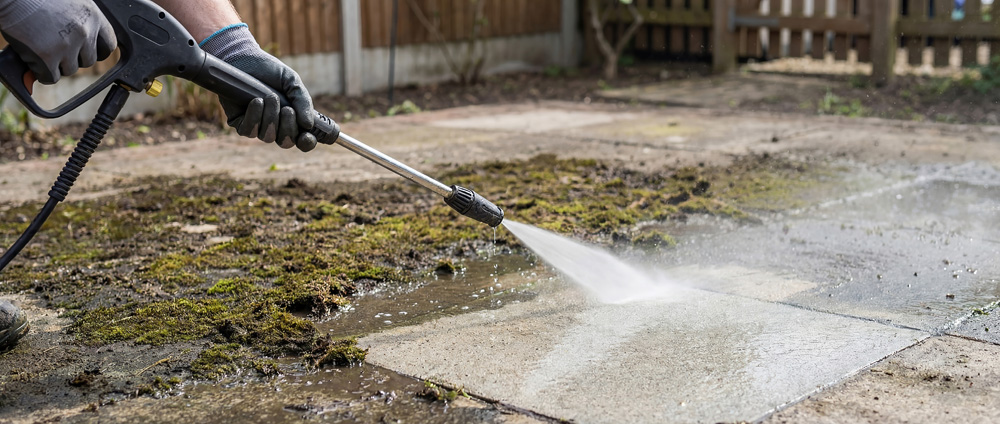
Most residential pressure washers can clean concrete efficiently, but using too much force risks etching or chipping the surface. For concrete patios in this region, a pressure range of 2500 to 3200 PSI is typically effective.
It’s best to:
- Start with a lower pressure and increase only as needed.
- Use a wide-angle spray tip (usually 25 or 40 degrees) to distribute force gently.
- Hold the wand 12 to 18 inches from the surface to minimize surface wear.
Local homeowners should also be cautious with colored or stamped concrete, which may require lower pressure or shorter exposure to avoid fading decorative finishes.
Can You Pressure Wash Concrete Patios Without Damaging Them?
Yes, concrete is durable, but it can be damaged by overly aggressive pressure or improper technique. Damage is most likely with:
- Using a pinpoint nozzle (0-degree tip), which can score grooves in the concrete.
- Pausing too long in one spot, leading to irregular clean marks or pitting.
- Applying high pressure to loose or deteriorating sections, causing chunks to break loose.
Patios poured several decades ago, and those with existing cracks, are most vulnerable. Checking for loose pieces or spalling before washing can help prevent further issues.
What Should Be Done Before Pressure Washing?
Preparation ensures effective cleaning and protects nearby landscaping and structures.
Quick steps to follow:
- Remove furniture, planters, rugs, and decor from the patio.
- Sweep loose debris and heavy dirt, which reduces the amount of sludge during washing.
- Cover adjacent plants with drop cloths or plastic sheeting to protect them from detergent runoff or accidental spray.
- Inspect the concrete for cracks or expansion joints that may require gentle cleaning or should be avoided with high pressure.
Pre-treat areas with heavy mold, algae, or oily stains using an appropriate, concrete-safe cleaner. Avoid bleach runoff in garden-heavy neighborhoods, as it may harm grass and landscaping commonly found in the area.
Should You Use Detergent, and If So, Which Kind?
For most patios, plain water under pressure removes general dirt, but stubborn stains like tire marks, mildew, or leaf tannins often require detergent. Use soaps or cleaners labeled as safe for concrete and biodegradable—especially important in New Smyrna Beach, where runoff may enter stormwater systems or nearby bodies of water.
Apply detergent with the pressure washer’s soap nozzle or a pump sprayer, let it sit for 5-10 minutes (but do not allow it to dry), then rinse thoroughly. Avoid harsh acids or degreasers that may etch new patios or leave residue.
What’s the Best Way to Use the Pressure Washer for Even Cleaning?
Keeping the spray wand moving consistently creates a uniform result:
- Work in overlapping, straight passes, similar to mowing the lawn.
- Move at a steady pace without lingering in one spot.
- Rinse each section before moving on, especially if using detergent.
- For large patios, work in a grid pattern for complete coverage.

Rotary surface cleaner attachments can reduce streaking and clean large areas more evenly than a single spray tip, an option appreciated by residents dealing with larger outdoor spaces or poolside slabs.
Are There Safety Concerns Specific to Cleaning Patios?
Pressure washers can cause injury and property damage if not handled carefully. Before starting, local residents should:
- Wear closed-toed shoes and protective eyewear.
- Avoid direct spray contact with feet, hands, or bare skin.
- Watch out for electrical fixtures or exposed wiring on patio walls or near outdoor kitchens.
- Check local guidelines for water runoff, particularly in neighborhoods close to wetlands or the Intracoastal Waterway.
Young children and pets should stay clear of the washing area until cleaning is complete, as the forceful spray and slippery ground can create hazards.
How Often Should Concrete Patios Be Pressure Washed?
With New Smyrna Beach’s humid, coastal conditions, most patios benefit from cleaning one to two times per year—typically after pollen season in spring and just before the drier, cooler months begin. Areas shaded by trees or exposed to salt spray may require more frequent attention, especially if mold or algae returns quickly.
Addressing small stains quickly with spot cleaning can extend the time between full washes and keep patios more presentable for outdoor activities and entertaining.
What to Avoid and Common Local Mistakes
A few common mistakes sometimes seen in community forums and among neighbors include:
- Using metal-bristle brushes to pre-scrub stains, which may leave rust marks.
- Cleaning during midday summer heat, which can rapidly dry detergents and reduce effectiveness.
- Neglecting to rinse nearby plantings, leading to browning leaves or stressed ornamentals.
Consistent, careful technique and use of locally suitable cleaners help keep outdoor living spaces in the city looking bright, safe, and welcoming year-round.