

 See My Latest Article on HelloNation
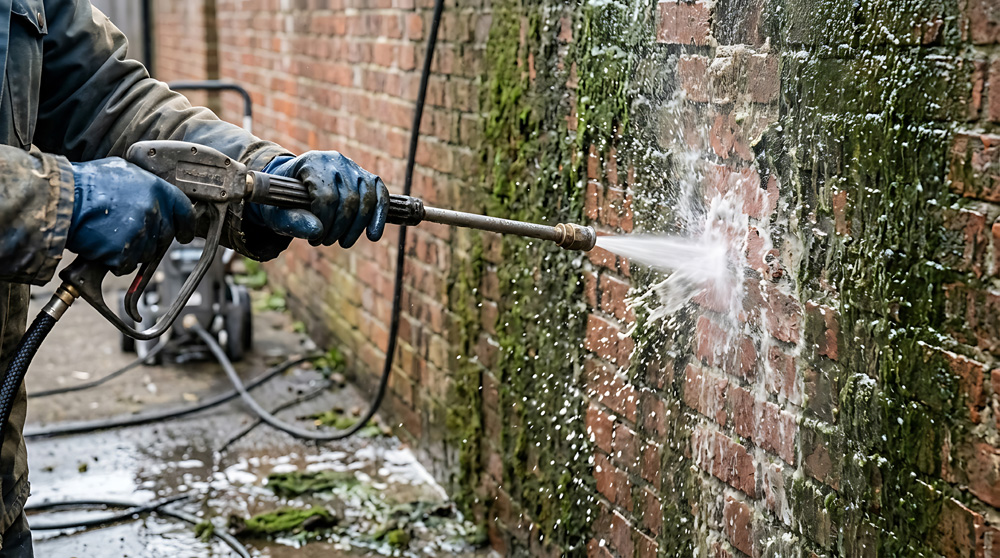
Is Pressure Washing Brick Safe for Local Homes?
Pressure washing can be safe for brick houses, but only with careful method and moderate pressure. Most homes in New Smyrna Beach have brick exteriors that are durable, yet can be damaged by high water pressure or harsh cleaning methods. Local factors—like salty air, humidity, algae, and storm-driven debris—add more to consider than just cleaning power. When done right, pressure washing can remove grime, mold, and algae. Used incorrectly, it can erode mortar, scar brick, or force water into the walls.
Why Is Brick Vulnerable to Pressure Washing?
Brick itself is hard, but the joints (mortar) between bricks are almost always softer. High-pressure streams can wear away this mortar, causing premature deterioration or making room for moisture. This is especially relevant for homes in the New Smyrna Beach area, where humidity and wind-driven rain are common. Water forced behind brick can create problems like:
- Mold and mildew growth inside walls
- Weakening of mortar joints
- Efflorescence (white powdery streaks) due to salts leaching out
Brick manufactured decades ago is often more porous than newer styles. This means older homes may need extra caution—damage can occur faster and be less obvious until problems grow.
What Pressure Settings Are Safe?
Using lower pressures is essential for brick surfaces. For most residential brick, pressure settings between 500–1,000 PSI are typically considered safe. Never exceed 1,500 PSI on brick. Many local residents assume that “more power = better clean,” but that’s a common misconception. Excessive pressure can:
- Remove surface material from brick faces
- Tear out mortar, especially if already weakened by age or salt exposure
- Etch the surface, leaving permanent marks
Always use a wide-angle spray tip and avoid focusing the spray directly into mortar lines. Keeping the nozzle at least a foot from the wall reduces risk.
Could Weather or Local Conditions Impact the Results?
New Smyrna Beach has unique environmental pressures: salt air from the coast, high humidity, and frequent summer rains. These factors make regular outdoor surface maintenance important, but they also influence how pressure washing affects brick.
Salt in the air can cause minor surface pitting over years. That means brick and mortar may already be slightly weakened, even if it isn’t visible. If a pressure washer is used at too high a setting or aimed incorrectly, these micro-defects get worse.
Frequent rainfall and high humidity mean that any water pushed behind the brick during cleaning may take longer to dry. This increases the risk of mold or mildew forming inside the walls—sometimes with no obvious signs outside the house.
What Cleaning Solutions Are Safe for Brick?
Not all chemicals are safe for brick. In the New Smyrna Beach area, moss, mildew, and algae are common on shaded brick or north-facing walls. Residents sometimes try bleach, heavy-duty degreasers, or acids.
Safer strategies include:
- Gentle soaps or detergents labeled as safe for masonry
- Low-concentration sodium hypochlorite (household bleach) diluted appropriately
- Never using full-strength bleach, acid washes, or harsh degreasers, which can eat into both brick and mortar
Always pre-wet the brick with water before applying any cleaner and rinse thoroughly when done, using low pressure.
Are There Risks Unique to Older Homes in the Area?
Many homes in New Smyrna Beach were built in the mid-20th century or earlier. Their brick and mortar may be less resistant to abrasion than modern versions. Older lime-based mortars are especially soft. Pressure washing under these conditions can:
- Cause bits of mortar to wash out from between stones or bricks
- Push moisture deeply into the wall, which takes longer to dry and leads to cycles of freeze-thaw damage in colder snaps
- Speed up the leaching of minerals, causing white powder residue (efflorescence) to appear
Residents with historic or older brick homes should start with the lowest possible pressure and test a small, hidden area first.
Can All Stains Be Removed from Brick?
Some marks on brick, especially rust stains, old paint, or heavy efflorescence, are not easily removed with water and detergent alone. While moderate pressure washing helps with algae, dirt, and light mildew, some stains may be permanent or require specialty cleaning agents. In those cases, repeated high-pressure cleaning usually does more harm than good.
Reddish or white salt stains, for instance, often require a gentle brush or specialty masonry cleaner—stronger solutions may be regulated, and improper use can cause environmental harm.
What Are Common Mistakes Local Residents Make?
Several errors frequently occur when area households attempt to pressure wash brick surfaces:
- Using rental units set too high by default
- Holding the nozzle too close to bricks or mortar lines
- Skipping pre-soak and post-rinse steps
- Choosing cleaning chemicals not intended for masonry
- Ignoring signs of loose or missing mortar before starting
Careful inspection beforehand and steady, overlapping strokes help prevent lines or streaks from showing once the surface dries.
Should Homeowners Ever Avoid Pressure Washing Brick?
Pressure washing isn’t recommended for every situation. Residents should avoid it if:
- Mortar is crumbling, soft, or missing in places
- The brick shows deep cracks or signs of major shifting
- Conditions will be damp for days, risking trapped moisture
- Plants, electrical features, or wood trim are near the area without proper protection
For complicated or large areas—such as two-story walls or places with visible deterioration—manual cleaning with a brush and hose may be much safer.
Can Local Restrictions Affect Pressure Washing?
Most routine pressure washing is allowed on private property, but local rules may regulate chemical run-off or wastewater disposal. In coastal communities like New Smyrna Beach, protecting storm drains from contaminated runoff helps protect the local marine environment. Residents should always make sure that any detergents or chemicals used will not flow offsite or drain into city systems.