

 See My Latest Article on HelloNation
Is higher pressure always better?
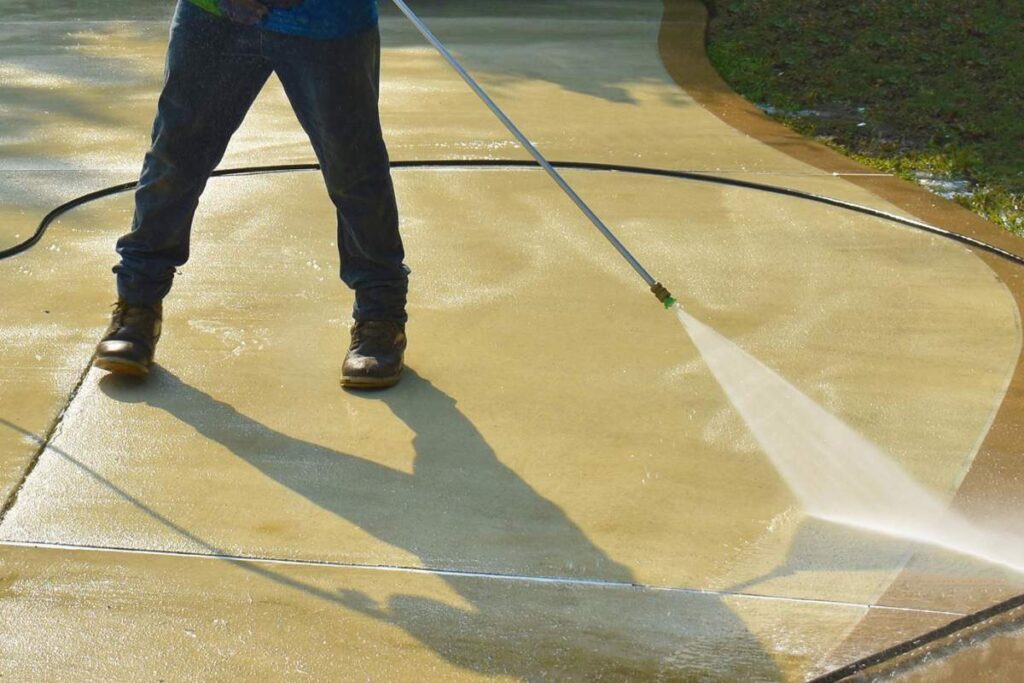
No. Effective exterior cleaning depends on using the right combination of pressure, water flow, cleaning method, surface knowledge, and technique. Excessive pressure can damage materials without producing a better result.
Concrete, brick, pavers, painted siding, screened enclosures, roof-adjacent areas, and wood surfaces all respond differently. A setting that is suitable for a driveway may be too aggressive for a painted surface or older masonry.
The goal is not maximum force. The goal is controlled cleaning that removes buildup while preserving the surface underneath.
Myth: Pressure washing damages every painted surface
Pressure washing does not automatically ruin paint. Damage is more likely when the equipment is used too close to the surface, the pressure is poorly matched to the material, or the paint is already peeling, chalking, cracked, or poorly bonded.
Older homes and coastal properties may have several layers of paint applied at different times. A careful exterior assessment helps identify areas where cleaning should be gentler or where loose coatings may need separate attention.
For painted siding, trim, doors, and railings, the condition of the finish matters as much as the material itself. Cleaning can reveal existing wear that was hidden beneath surface dirt, but it should not be used to force failing paint back into place.
Myth: Every dark stain on a driveway is permanent
Many dark marks on concrete and pavers are caused by organic growth, soil residue, vehicle deposits, or general outdoor grime. These conditions may improve substantially through appropriate exterior cleaning.
However, not every discoloration can be removed completely. Rust, oil that has penetrated deeply, aged tannin stains, surface etching, and discoloration caused by the concrete itself may require a different treatment or may remain partly visible.
This distinction matters because a clean surface is not always the same as a brand-new surface. Pressure washing removes removable buildup; it cannot reverse every form of aging, staining, or material deterioration.
Myth: Pressure washing is only cosmetic
Exterior cleaning can improve appearance, but its value is not limited to making a property look tidier. Regular maintenance can help identify cracked surfaces, loose coatings, failing caulk, damaged pavers, blocked drainage paths, and areas where moisture is collecting.
On walkways and entry areas, removing slippery surface buildup may also improve footing. On walls, soffits, fences, and other exterior features, cleaning can make developing maintenance problems easier to see before they become more extensive.
For homes near the coast, salt-laden air, humidity, windblown sand, and frequent rain can make exterior surfaces appear weathered faster than residents expect. Cleaning is one part of broader property care, not a substitute for repairs or repainting.
Myth: All exterior surfaces can be cleaned the same way
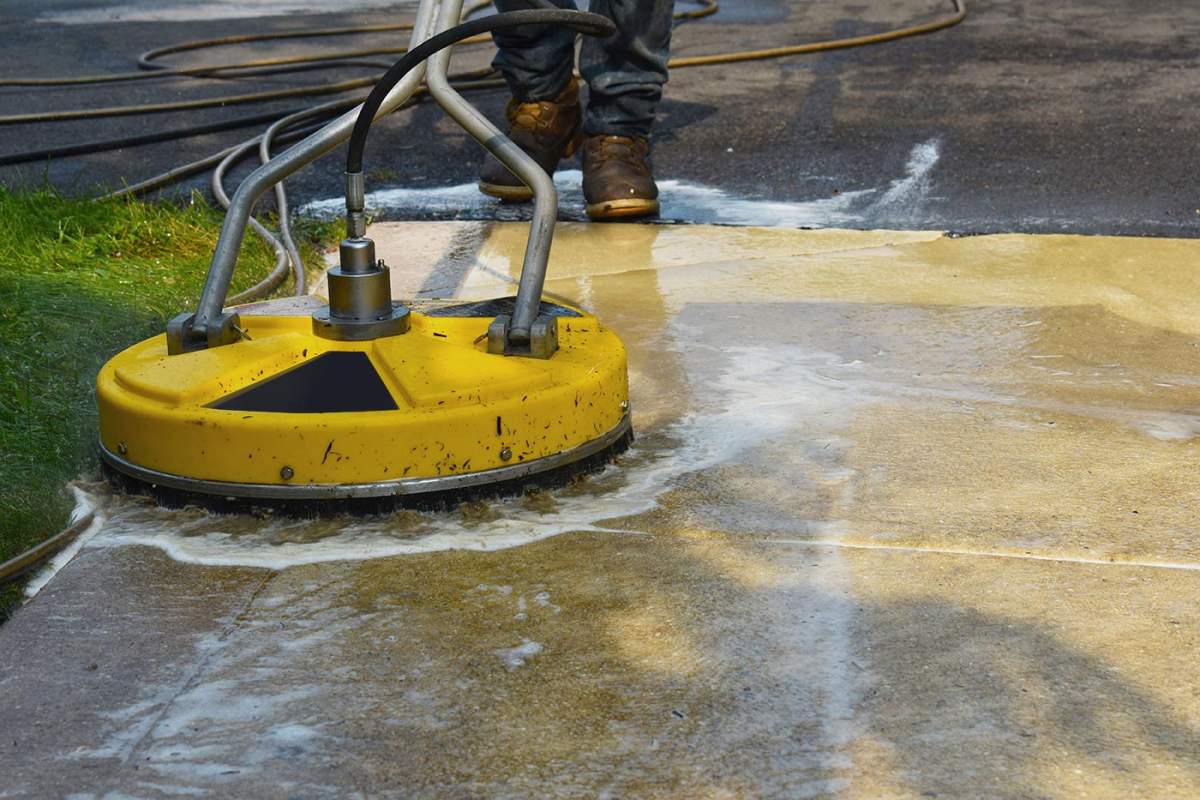
Different materials require different approaches. Concrete is generally more tolerant of pressure than painted wood, vinyl siding, delicate trim, or aging mortar. Pavers may have joint material that can shift if handled too aggressively. Screen enclosures require attention to the frame, mesh, fasteners, and surrounding surfaces.
Roof areas are another example. Roof cleaning is not simply driveway cleaning performed at a higher elevation. Roofing materials, pitch, age, access, and nearby landscaping all affect the appropriate method.
A reliable assessment considers:
- The type and age of the surface
- Existing cracks, chips, peeling coatings, or loose materials
- The kind of buildup present
- Nearby windows, doors, screens, landscaping, and outdoor fixtures
- Whether the surface has been cleaned previously and how it responded
Treating every area as if it were the same can create uneven results or unnecessary wear.
Myth: A surface is clean only if it looks bright white
Brightening is not the only measure of successful cleaning. Some materials naturally have variation in color, texture, or tone. Older concrete may remain gray even after surface buildup has been removed. Pavers can retain natural shading, and painted surfaces may have uneven fading from years of sun exposure.
An overly bright appearance can sometimes indicate that a surface has been cleaned too aggressively or that its finish has been worn. A more useful standard is whether the surface is cleaner, safer to inspect, and free from removable buildup without compromising its condition.
The desired result should match the material. Historic-looking masonry, weathered wood, and older concrete may be appropriately clean without looking newly installed.
Myth: Pressure washing eliminates the need for future maintenance
No exterior cleaning method prevents new buildup forever. Outdoor surfaces remain exposed to humidity, rainfall, shade, dust, pollen, salt air, and everyday use. The timing of future cleaning depends on the surface, surrounding trees and landscaping, drainage, sun exposure, and household activity.
Properties with shaded walkways may develop surface growth sooner than sunny areas. Homes with screened outdoor living spaces may collect airborne debris in corners and along lower framing. Driveways and entry paths receive repeated traffic and may show wear even when they are free of visible organic buildup.
A practical maintenance approach focuses on condition rather than a rigid calendar. Cleaning may be appropriate when buildup becomes noticeable, surfaces become harder to inspect, or exterior areas begin to look uneven and neglected.
Myth: Pressure washing is safe for every part of a home
Exterior cleaning involves more than pointing equipment at a wall. Windows, door seals, light fixtures, electrical components, outdoor speakers, vents, screens, and decorative features can be vulnerable to direct spray or excessive water movement.
The surrounding property also matters. Outdoor furniture, planters, pool features, landscape edging, and fragile surface coatings may need to be considered before work begins. The safest approach is based on the property’s actual layout and condition rather than a standard routine.
This is especially relevant in compact outdoor areas, where walls, patios, screens, and landscaping may be close together. Controlled technique helps limit unintended impact on adjacent features.
Myth: Pressure washing can repair damaged surfaces
Cleaning and repair are separate tasks. Pressure washing may remove dirt that makes a defect easier to see, but it does not replace cracked concrete, reset unstable pavers, restore failed grout, repair rotten wood, or reattach loose paint.
Cleaning before a repair can help reveal the true condition of a surface. In other cases, damaged areas may need to be handled carefully so cleaning does not worsen the problem.
Residents should view exterior cleaning as property maintenance that supports inspection and presentation. It should not be treated as a way to hide structural, drainage, coating, or moisture-related concerns.
What should residents ask before exterior cleaning?
Useful questions focus on surface protection and expected results rather than pressure alone:
- Which materials are present, and how will each one be treated?
- Are there existing cracks, loose coatings, damaged joints, or fragile areas?
- What type of buildup is visible?
- Which stains may remain because they have penetrated the material?
- How will windows, screens, fixtures, and nearby surfaces be protected?
- Is the goal general maintenance, preparation for painting, improved visibility, or removal of a specific buildup?
Clear answers help set realistic expectations and reduce the chance of treating a property as though every exterior surface were identical.
In New Smyrna Beach, changing weather, coastal exposure, shaded areas, and outdoor living spaces all influence how quickly exterior surfaces show buildup. Understanding those conditions makes it easier to distinguish normal maintenance needs from genuine surface damage—and to choose cleaning methods that protect the property rather than simply applying more pressure.