

 See My Latest Article on HelloNation
Why Should You Prepare Your Home Before Pressure Washing?
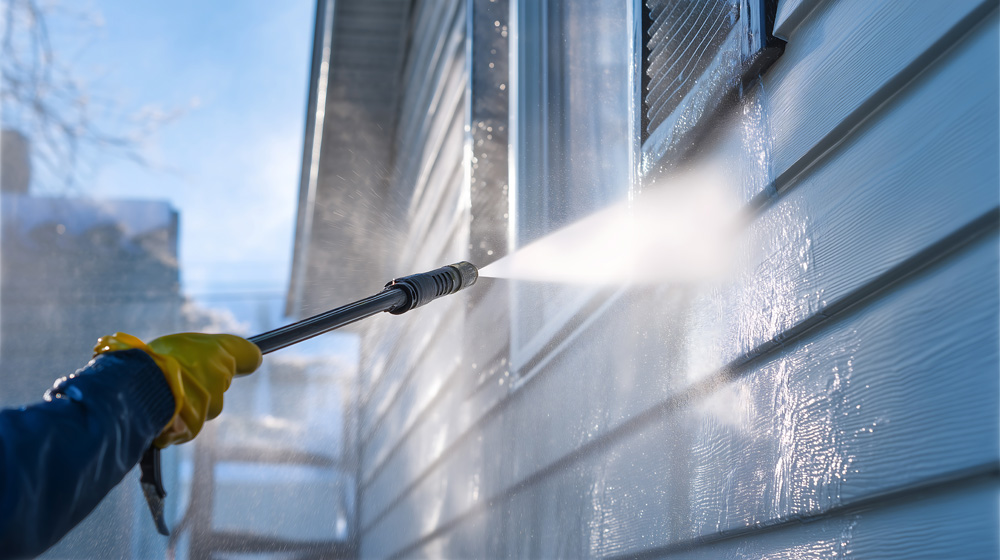
Preparing your home ahead of pressure washing helps protect landscaping, windows, electrical fixtures, and outdoor furniture from accidental damage. Local residents often ask about the best ways to avoid water intrusion, paint damage, and injury during cleaning, especially given the humid, coastal environment found in New Smyrna Beach, FL. By taking simple precautions, area households can ensure a more effective and safer cleaning process.
What Outdoor Items Should Be Moved or Covered?
The first step is to clear your outdoor space of anything that could be harmed by high-pressure water or cleaning solutions. Lightweight furniture, garden tools, potted plants, children’s toys, outdoor rugs, and barbecue equipment should all be relocated from decks, patios, walkways, and siding.
Items that are permanent or too heavy to move—such as grills, built-in seating, or large planters—should be covered using waterproof tarps or plastic sheeting secured with tape or bungee cords. Consider bringing cushions and fabric materials inside, especially since New Smyrna Beach’s sea breezes can blow loose items into the cleaning area or even the street.
How Should You Protect Plants, Landscaping, and Lawn Areas?
Local gardening styles are varied, but fragile tropicals and native greens are common in New Smyrna Beach. Directly spraying them or even some inadvertent exposure to cleaning runoff can damage vegetation. Cover delicate plants with drop cloths or tarps, tucking edges around trunks and beds to limit chemical contact, but be sure not to leave covers on too long in the sun to avoid heat stress.
Watering your lawn and landscaping thoroughly before washing helps dilute any chemicals that may reach the soil. Some residents spread old sheets or burlap over flower beds as a lighter option, removing them promptly once washing is complete. Avoid placing pressure washers on lawns or garden beds to prevent soil compaction or physical damage.
Are There Parts of Your Home’s Exterior That Need Special Care?
Certain surfaces and fixtures around the home are more vulnerable. In New Smyrna Beach, many houses feature painted wood, stucco, coquina, and concrete—each requiring special consideration before pressure washing.
- Close all windows and doors tightly to prevent water from seeping inside.
- Look for gaps or cracks in siding, trim, or around fixtures. Seal noticeable openings with painter’s tape or temporary caulking when needed.
- Electrical outlets, light fixtures, doorbells, and outdoor speakers can all be damaged by water. Cover these with plastic bags or plastic wrap, taped securely.
- Remove window screens if possible, or at least ensure they’re locked in place.
- For painted or older surfaces, test a small, hidden spot for paint stability before cleaning the entire area.
It’s common for residents to overlook dryer vents and exhaust flaps. These should be temporarily covered, then uncovered as soon as possible to prevent any airflow issues.
Should You Use Special Detergents or Just Water?
The coastal climate in New Smyrna Beach often leads to mold, mildew, and salt buildup that plain water might not remove. Check labels to ensure detergents or cleaners are suited for your exterior surface—household bleach, for example, should be used only in diluted form and never around plants. Specialty cleaners for algae and mildew are often less harsh on landscaping when used as directed. Never mix chemicals unless instructions allow it, and always rinse nearby surfaces with clean water afterward.
What Weather Conditions Are Best for Pressure Washing in New Smyrna Beach?
High humidity, heat, and frequent rain showers can complicate timing for this task. Aim to wash during dry, mild days—preferably in the morning or late afternoon to avoid direct midday sun. This helps cleaning solutions work effectively and reduces streaking as surfaces dry.
Avoid windy days, as overspray can reach cars, neighboring properties, or busy walkways. In New Smyrna Beach, afternoon thunderstorms are common through summer and early fall. Plan your project when there’s minimal chance of rain for several hours afterward to allow everything to dry thoroughly.
Are There Common Mistakes or Misconceptions About Home Preparation?
Many local households think quick rinsing is enough to shield landscaping, but sensitive plants can still suffer from even a brief chemical splash. Others assume pressure washing is completely safe for all surfaces—incorrect nozzle settings or inadequate preparation can remove paint, damage stucco, or breach window seals.
Another overlooked detail is verifying that all pets are indoors and gates are secured before starting, especially if children play outside. Spraying decks or siding without moving what’s underneath (such as storage bins or toys) can leave unsightly missed spots.
How Can Residents Stay Safe During the Process?
Preparation is not just about the home—it’s also about personal safety. Always wear closed-toe shoes with good grip, protective eyewear, and gloves if using cleaners. Clear walkways of obstructions, as surfaces become slippery when wet. If using a ladder for higher spots, never do so while simultaneously operating a pressure washer.
Children and pets should remain indoors or in an area away from the cleaning activity. Make sure to inform anyone at home before starting, so they aren’t surprised by noise or water spray.
Are There Any Local Restrictions or Environmental Guidelines to Consider?
While there are no city-specific bans on home pressure washing in New Smyrna Beach, improper use of harsh chemicals or excessive runoff into storm drains can harm local waterways. Avoid letting soapy water reach the curb or storm sewers. Check for any current advisories on water use, especially during periods of drought.
The city encourages eco-friendly cleaning and cautions against practices that could harm native plants or leach into the Intracoastal Waterway. Residents often use biodegradable detergents and direct runoff into lawns (where allowed), minimizing environmental impact.