

 See My Latest Article on HelloNation
Does pressure washing help with allergies?
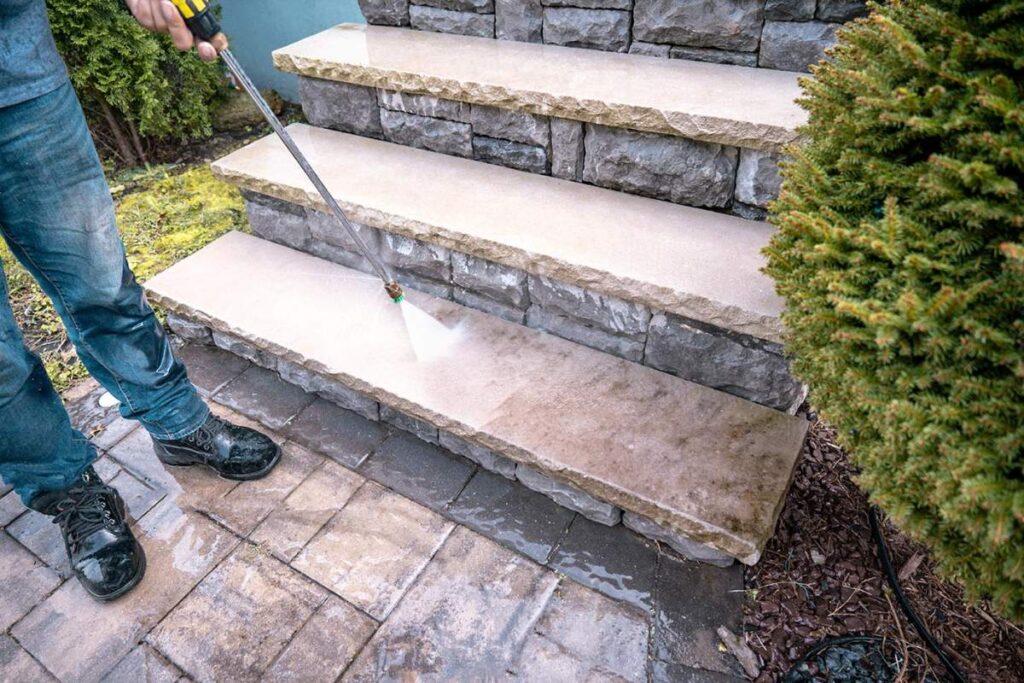
Pressure washing may help reduce some outdoor allergy triggers around a property, but it is not a treatment for allergies and does not remove every source of airborne irritation. Cleaning exterior surfaces can remove accumulated pollen, mold-like growth, mildew, dust, and organic residue from areas where people spend time.
The benefit is usually greatest outdoors and near entry points, patios, walkways, screened enclosures, fences, and other surfaces that collect seasonal buildup. It is less likely to make a noticeable difference for symptoms caused by indoor dust, pets, food allergies, or pollen carried through open doors and windows.
For local residents, the combination of warmth, humidity, vegetation, rain, and coastal air can allow outdoor surfaces to stay damp or collect residue for long periods. That makes exterior maintenance relevant, especially for homes with shaded areas, screened porches, textured concrete, or frequently used outdoor living spaces.
What allergy triggers can collect on exterior surfaces?
Outdoor surfaces can hold a mixture of materials that may irritate sensitive people. Common examples include:
- Tree, grass, and plant pollen
- Fine dust and soil particles
- Mold and mildew growth
- Decomposing leaves and other organic residue
- Debris tracked onto walkways and entry areas
- Surface buildup around screens, walls, steps, and patios
Not all of these materials cause allergies in every person. However, disturbing or walking across heavily coated surfaces can move particles into the surrounding air. Damp organic buildup may also support additional biological growth, particularly in shaded locations with limited drying.
Pressure washing removes much of this surface accumulation through controlled water pressure and careful cleaning methods. The result is a cleaner outdoor environment, although new pollen and debris will continue to settle over time.
Which parts of a home may benefit most?
The most noticeable improvement often comes from surfaces that are close to living areas or frequently touched. These may include patios, pool decks, walkways, steps, screened enclosures, exterior walls, and entry areas.
A patio with visible organic buildup can expose residents to more residue each time furniture is moved, the surface is swept, or people walk across it. A screened porch may collect pollen and dust on the floor, lower walls, and screen framing. Walkways can also carry outdoor particles toward doors and into the home.
Exterior maintenance may be especially useful when:
- Surfaces remain shaded for much of the day
- Outdoor areas have visible green, gray, or dark buildup
- Residents notice irritation after spending time on patios or porches
- The property has many trees or planted areas nearby
- Outdoor furniture and flooring are used regularly
- A home has textured surfaces that trap dirt and organic material
Cleaning these areas does not create a pollen-free property. It can, however, reduce the amount of settled material present at a particular time.
Can pressure washing remove mold and mildew?
Pressure washing can remove visible surface growth from many hard exterior materials. It may improve the appearance of concrete, pavers, siding, fences, and other suitable surfaces while reducing the amount of residue available to become airborne.
The result depends on the material, the depth of the growth, moisture conditions, and how long the buildup has been present. Some staining penetrates porous surfaces or returns quickly when the underlying area remains damp. In those cases, cleaning may improve the surface without permanently preventing regrowth.
This distinction matters for allergy concerns. Removing visible buildup can reduce one potential outdoor irritant, but it does not address every condition that supports it. Poor drainage, limited sunlight, blocked airflow, or recurring moisture may continue to affect the area.
Does cleaning the exterior improve indoor air quality?
Exterior pressure washing may indirectly support cleaner indoor conditions, but the effect is limited. Cleaning walkways, entry areas, porches, and nearby surfaces can reduce the amount of dirt and organic residue tracked inside.
That may be helpful in homes where residents move frequently between indoor and outdoor spaces. Still, indoor air quality is influenced more directly by ventilation, filtration, humidity control, bedding, carpeting, pets, and indoor dust. Exterior cleaning should be viewed as one part of property maintenance rather than a substitute for indoor allergy management.
Keeping doors and windows closed during periods of heavy outdoor pollen may also matter more for indoor symptoms than cleaning a distant exterior wall. People with persistent symptoms should rely on advice from a qualified healthcare professional for diagnosis and treatment.
Is pressure washing safe for every exterior surface?
No. The appropriate cleaning method depends on the material and its condition. Concrete, brick, pavers, painted surfaces, screens, wood, and composite materials can respond differently to pressure and moisture.
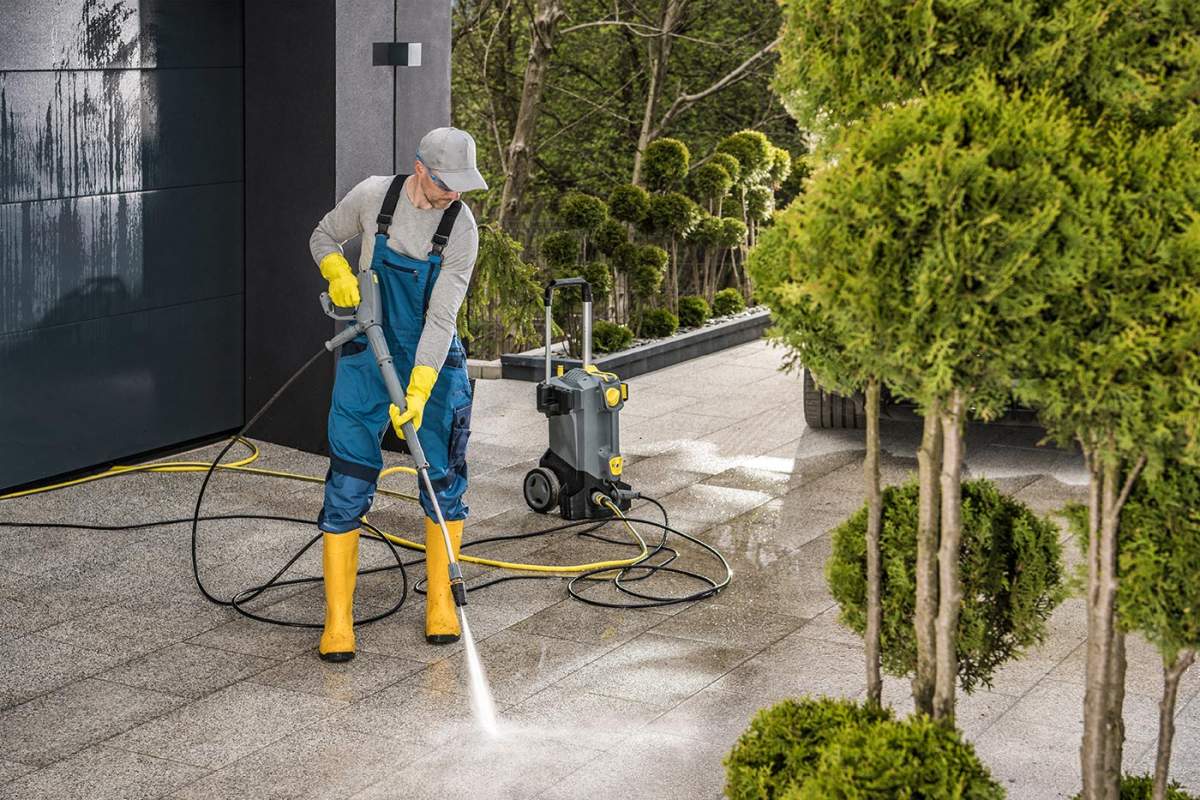
Excessive pressure or an unsuitable technique may cause surface wear, force water into vulnerable areas, damage screens, remove finishes, or worsen existing deterioration. A knowledgeable maintenance provider evaluates the surface before cleaning and adjusts the approach to the property.
This is particularly relevant in homes with older finishes, delicate trim, loose mortar, aging paint, or repaired areas. The goal is not simply to use the strongest pressure available. Effective exterior maintenance balances cleanliness with protection of the underlying material.
How often should exterior surfaces be cleaned for allergy concerns?
There is no universal schedule. Cleaning frequency depends on shade, vegetation, rainfall, humidity, surface type, visible buildup, and how heavily outdoor areas are used.
Some properties remain clean for extended periods, while shaded patios and screened areas may develop residue sooner. Seasonal pollen patterns can also affect how quickly surfaces appear dusty or coated. A practical approach is to evaluate areas based on visible accumulation, recurring dampness, and whether residents are spending time there.
Routine exterior maintenance can also protect surfaces from gradual staining and deterioration. Removing accumulated residue before it becomes deeply embedded may help preserve the appearance and usable condition of patios, walkways, walls, and other outdoor features.
What should residents expect after cleaning?
A clean exterior may feel more comfortable and look better, but allergy symptoms may not disappear. Pollen can return quickly, and outdoor air will continue to contain particles from plants, soil, and seasonal weather conditions.
The most realistic expectation is a reduction in settled surface buildup, not complete allergy control. Benefits may include:
- Cleaner walking and seating areas
- Less visible organic residue
- Fewer particles tracked through entry points
- Improved condition of frequently used outdoor spaces
- Better protection for surfaces exposed to persistent buildup
If symptoms occur indoors, continue despite clean outdoor areas, or include breathing difficulty, swelling, or severe reactions, exterior maintenance is not an adequate response. Medical guidance is appropriate for those situations.
Does pressure washing help with outdoor allergies?
Yes, it can help modestly by removing pollen, dust, mildew, and organic residue from exterior surfaces. The greatest benefit is usually around patios, porches, walkways, screens, and entrances where residents spend time or track material indoors.
It should be understood as a property-maintenance measure, not an allergy cure. In New Smyrna Beach, FL, local moisture and warm-weather conditions can make recurring surface buildup part of normal home care. Thoughtful exterior cleaning can support a cleaner, more usable property while protecting surfaces from the effects of long-term accumulation.