

 See My Latest Article on HelloNation
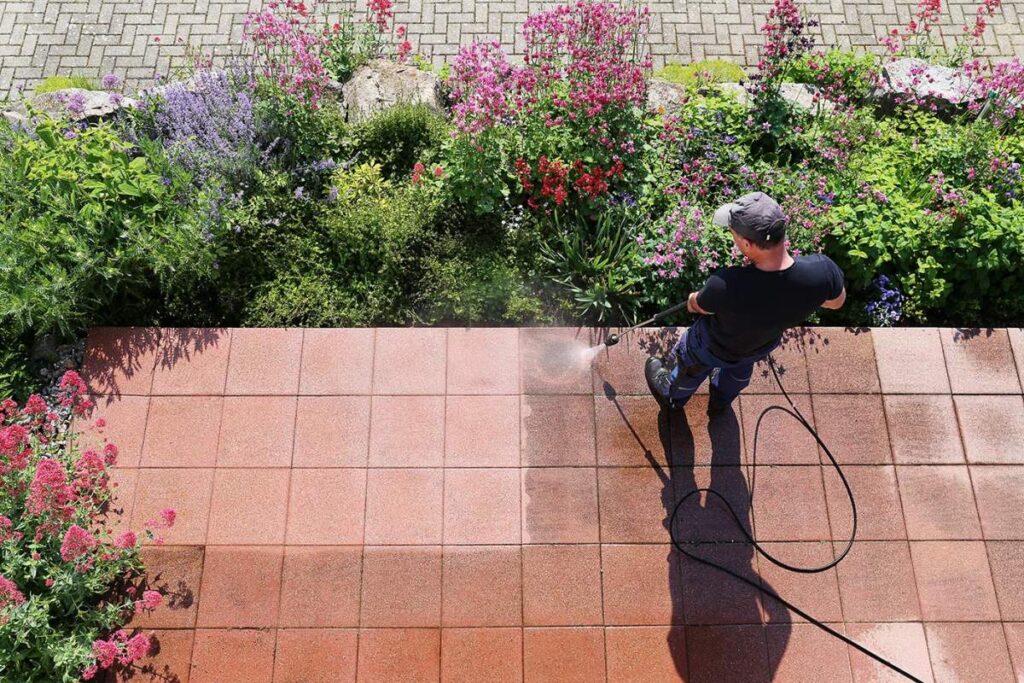
Pressure washing can remove visible mold, mildew, algae, and surface staining from many exterior materials, but it does not always eliminate the underlying growth by itself. The result depends on the surface, the severity of the buildup, the cleaning method, and whether moisture continues to affect the area.
In New Smyrna Beach, FL, warm temperatures, humid air, coastal moisture, shaded areas, and frequent rain can create favorable conditions for organic growth. That makes mold and mildew a recurring exterior maintenance concern for some homes, especially on north-facing walls, covered walkways, screened enclosures, concrete surfaces, and shaded sections of roofing.
Does pressure washing remove mold and mildew?
Yes, pressure washing can remove much of the visible growth and discoloration from durable exterior surfaces. The water pressure breaks away surface deposits, dirt, and embedded staining, helping restore a cleaner appearance.
However, pressure washing is not always a complete treatment. Mold and mildew may leave behind staining, spores, or growth in small pores and joints. If the surface remains damp or shaded, the buildup can gradually return.
The most reliable results usually come from matching the cleaning approach to the material and condition of the property. A concrete driveway, painted siding, roof, paver walkway, and wood surface may each require different pressure levels and cleaning techniques.
What is the difference between mold, mildew, and algae?
Mildew is generally associated with lighter-colored, powdery, or surface-level growth. Mold can appear in darker shades and may penetrate more deeply into porous materials. Algae often creates green, brown, or black discoloration, particularly on damp concrete, roof areas, and shaded surfaces.
Exterior staining is not always caused by a single type of growth. Dirt, pollen, tannins from leaves, oxidation, and long-term moisture can create similar marks. Correctly identifying the buildup helps determine whether pressure washing is appropriate and how aggressive the cleaning process should be.
Which exterior surfaces can be cleaned?
Pressure washing is commonly used on hard, weather-resistant surfaces such as:
- Concrete driveways and sidewalks
- Paver walkways and patios
- Pool decks
- Brick and masonry
- Vinyl siding
- Screened enclosures
- Fences and some wood surfaces
- Exterior walls and other durable building materials
The pressure level should be appropriate for the material. Excessive force can damage mortar joints, remove surface coatings, strip paint, etch concrete, loosen joint sand, or drive moisture into vulnerable areas.
Roofing requires particular care. Many roofing materials can be damaged by high pressure, and visible dark streaks may not be suitable for a standard pressure-washing approach. Roof condition, slope, material, age, and surrounding access all affect the safest maintenance method.
Can pressure washing prevent mold and mildew from coming back?
Pressure washing can reduce the conditions that allow buildup to spread, but it cannot control every factor that contributes to regrowth. Mold and mildew are more likely to return where surfaces stay damp, receive limited sunlight, or collect organic debris.
In the local coastal environment, recurring buildup may be influenced by:
- Persistent humidity
- Rain and wind-driven moisture
- Shaded walls and walkways
- Vegetation close to exterior surfaces
- Poor drainage around hardscapes
- Leaking gutters or downspouts
- Surface cracks and porous materials
Exterior maintenance is most effective when cleaning is combined with attention to the property conditions that keep surfaces wet. This does not mean growth will never return. It means the underlying environment is less favorable for rapid buildup.
Why does mold and mildew return after cleaning?
Visible growth may return because the surface remains damp or because some staining extends below the outer layer. Porous concrete, unsealed pavers, textured siding, and masonry can hold moisture and organic residue in small openings.
Regrowth may also occur when:
- Trees or structures block airflow and sunlight
- Water repeatedly runs across the same wall or walkway
- Gutters overflow near exterior surfaces
- Soil or landscaping stays against walls
- Cracks allow moisture to collect
- The original cleaning did not reach recessed or textured areas
A clean appearance immediately after washing does not always indicate that every trace of growth has been removed. Dark staining can remain even after active surface material has been cleared.
Is pressure washing safe for painted siding and older homes?
It can be, but the condition of the surface matters. Older paint, brittle siding, loose trim, damaged caulking, and deteriorated wood may not tolerate the same pressure as newer, well-maintained materials.
A careful assessment should consider:
- Whether paint is peeling or chalking
- Whether siding panels are cracked or loose
- The condition of window and door seals
- The age and texture of the exterior finish
- Areas where water could enter behind the surface
Lower-pressure methods may be more suitable for delicate materials. Cleaning should remove the buildup without creating a new property problem, such as damaged paint, displaced siding, or water intrusion.
Can pressure washing damage concrete or pavers?
Improper pressure washing can damage both. Concrete may develop visible etching, uneven texture, or lines caused by inconsistent cleaning. Pavers may lose joint material or shift if water is directed too forcefully into the seams.
The condition of the surface is also relevant. Older concrete, cracked slabs, decorative coatings, and weakened pavers require more care than newer, structurally sound materials.
A clean surface should not come at the expense of its finish or stability. The goal is to remove organic buildup while preserving the material beneath it.
What should property owners look for after cleaning?
After exterior cleaning, inspect areas where moisture commonly collects. Look for:
- Remaining dark or green staining
- Loose or damaged surface materials
- Water marks near windows and doors
- Cracks that were hidden by dirt
- Areas where growth is returning quickly
- Gutter or drainage problems
- Damp sections that remain shaded for long periods
These observations can help distinguish a one-time surface cleaning need from a broader moisture or maintenance issue.
When does professional exterior maintenance make sense?
Professional exterior maintenance may be appropriate when growth covers a large area, the surface is difficult to access, roofing is involved, or the property includes delicate or aging materials. It can also be useful when previous cleaning left streaks, surface damage, or recurring discoloration.
The value is not limited to appearance. Regular, properly matched maintenance can help protect exterior finishes, preserve usable walkways, reduce slippery surface buildup, and identify small property issues before they become more expensive to address.
For households in New Smyrna Beach, routine observation is especially useful after periods of heavy rain, extended humidity, or seasonal shade. Mold and mildew are easier to manage when noticed before they spread across large areas or become deeply embedded in porous surfaces.