

 See My Latest Article on HelloNation
Can Pressure Washing Remove Mold and Mildew?
Pressure washing is widely recognized as a method for removing mold and mildew from exterior surfaces. When used appropriately, it can be very effective at blasting away visible growth from siding, driveways, patios, and fences. This makes it a popular option for residents in New Smyrna Beach, FL, where humid coastal weather can foster mold and mildew growth almost year-round.
Why Are Mold and Mildew Common in New Smyrna Beach?
The combination of warm temperatures, salt air, and frequent rain means local homes often experience persistent moisture and reduced drying times. These conditions, especially in shaded or north-facing areas, favor the development of both mold (a fungus that looks fuzzy or slimy) and mildew (which usually appears powdery or flat). Mold and mildew can be unsightly, degrade building materials, and trigger allergy symptoms for sensitive individuals.
Outdoor surfaces most often affected in the city include:
- House siding (vinyl, stucco, painted wood)
- Wooden decks and fences
- Concrete driveways and walkways
- Roof shingles (particularly shaded or north-facing parts)
How Does Pressure Washing Work on Mold and Mildew?
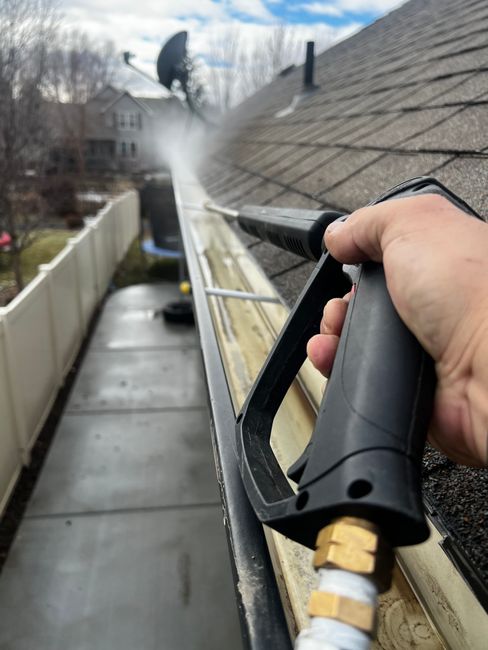
Pressure washing uses a high-pressure stream of water to physically lift and rinse away spores and growth from hard surfaces. For most non-porous materials, this method removes surface mold and mildew effectively.
A key point is that while pressure washing takes away the visible growth, it may not always reach all microscopic spores, especially on porous materials (like unfinished wood) or areas where the roots penetrate deeper. Pairing pressure washing with an appropriate cleaning solution—often a mild detergent or specialized mold-killing product—improves the odds of full removal and reduces the chance of regrowth.
Is Pressure Washing Enough for Complete Removal?
For most solid surfaces, pressure washing is sufficient for cleaning away surface growth. However, some important factors impact results:
- Surface Type: Non-porous surfaces like painted siding or finished concrete clean more thoroughly. Porous wood, older stucco, and pitted stone may require additional treatment.
- Amount of Growth: Heavy, deep-set mold may need several passes, with both cleaning agents and agitation.
- Water Pressure: Using too much pressure can damage some materials, but too little won’t effectively dislodge growth.
- Cleaning Agents: Mold and mildew respond best when a cleaning solution is applied, allowed to work, and then rinsed by pressure washing rather than just water alone.
On more delicate surfaces or where deeper contamination is suspected, it’s wise to consider follow-up treatments—either with additional cleaner applications or by improving sun and airflow to the affected area.
Are There Any Surfaces Where Pressure Washing Should Be Avoided?
Yes. While pressure washing is versatile, some surfaces in New Smyrna Beach homes are better suited to gentler methods:
- Older, weathered wood can splinter or erode under high pressure.
- Roof shingles risk damage if pressure is applied directly; low-pressure washing or “soft washing” is safer.
- Stucco and painted surfaces may peel if not washed carefully.
- Windows and doors with leaky seals can let in water under pressure, leading to potential hidden mold problems indoors.
Before using pressure washers, it’s important to check local HOA or community regulations, as some areas have rules about outdoor cleaning methods and acceptable equipment.
How Do Local Conditions Impact Cleaning Frequency?
Due to the semi-tropical climate in New Smyrna Beach, most homes notice mold and mildew buildup more quickly than in drier, less humid regions. Structures shaded by trees or situated near waterways experience faster regrowth after each cleaning. Local residents often need to rinse exterior surfaces more than once a year—sometimes seasonally, especially after extended wet spells.
Spot inspections after storms or rainy months can help catch early growth, making removal much easier and reducing reliance on strong cleaning agents. Increasing sun exposure and airflow—such as trimming back dense landscaping or cleaning gutters—can also reduce the frequency of mold and mildew problems.
Are There Health or Environmental Risks in the Process?
Pressure washing can safely remove mold and mildew, but there are a few considerations:
- Runoff: Cleaners used in the process should be selected carefully. Bleach and some commercial products can harm coastal grass, plants, or enter storm drains that lead to sensitive waterways.
- Personal Protection: Spraying mold spores can temporarily release them into the air. Wearing protective gear (like masks and goggles) is advisable, especially for those with asthma or allergies.
- Residue: Proper rinsing is essential so that cleaning agents do not linger on surfaces or harm pets and plants.
Some neighborhoods in the city may have stormwater rules about chemical runoff, so using garden-safe or biodegradable cleaners is a practical precaution.
What Are Some Common Misconceptions?
A frequent misconception is that pressure washing alone will completely eliminate mold and mildew for good. While it removes what’s visible, spores are microscopic and can survive in tiny crevices. Environmental factors in New Smyrna Beach—the constant humidity and sea air—allow growths to return fairly quickly. Ongoing prevention steps, such as redirecting downspouts, trimming shade trees, and ensuring surfaces dry quickly, are crucial for long-term control.
Another misconception is that higher pressure always means better results. Too much force can damage siding, decks, or driveways, creating more porous surfaces that trap moisture and encourage repeat mold or mildew problems.
What Preventative Steps Help Between Cleanings?
After pressure washing:
- Allow surfaces to dry fully before painting, sealing, or covering
- Remove or cut back plants that crowd walls or fences
- Repair or caulk areas where water pools or penetrates
- Clean gutters and ensure water drains away from the home’s base
Regularly scheduled inspections go a long way in catching issues early and maintaining both the curb appeal and structural health of local homes.