

 See My Latest Article on HelloNation
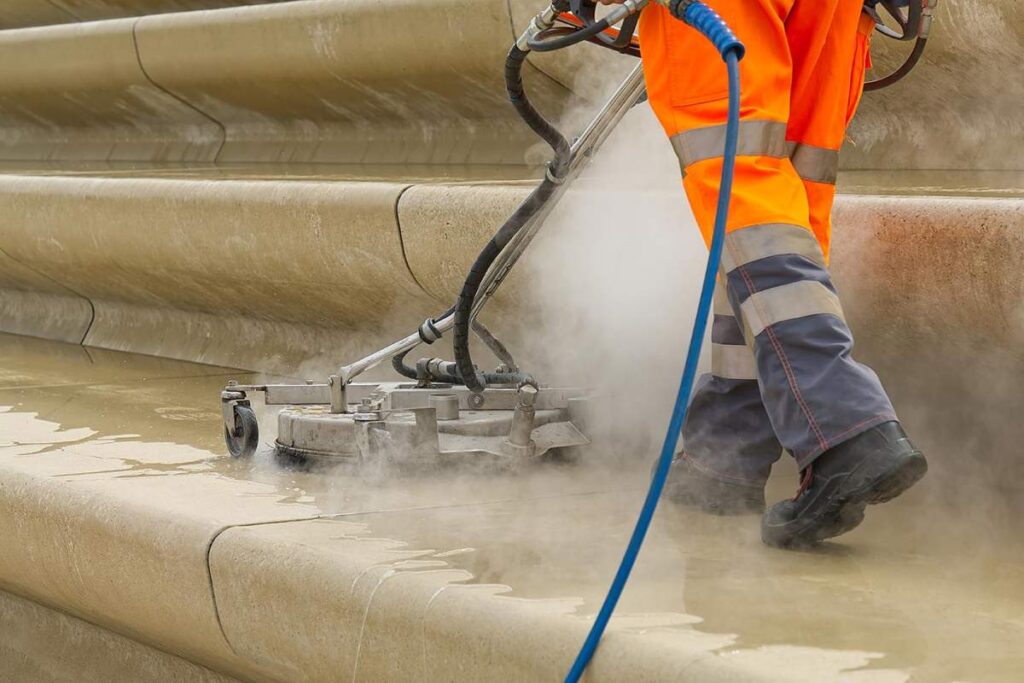
Concrete patios are built for outdoor living, but they are exposed to weather, humidity, tracked-in sand, food spills, and organic growth throughout the year. In New Smyrna Beach, FL, regular professional cleaning can help preserve the patio’s appearance, improve surface safety, and identify small maintenance concerns before they become more difficult to manage.
What benefits does professional concrete patio cleaning provide?
Professional cleaning removes buildup that ordinary sweeping and occasional rinsing may not address. A properly cleaned patio can look more consistent, feel less slippery, and remain easier to maintain between service visits.
The main benefits include:
- Improved appearance around outdoor seating and entertaining areas
- Removal of embedded dirt, algae, and weather-related discoloration
- Reduced slickness caused by surface growth and residue
- Better visibility of cracks, surface wear, and drainage concerns
- Protection for nearby walls, steps, furniture areas, and property finishes
- A cleaner surface for seasonal use and outdoor gatherings
The goal is not simply to make concrete look brighter. Good exterior maintenance helps the patio remain a functional part of the property.
Why does the local climate affect concrete patios?
Warm, humid conditions can encourage organic growth on shaded or frequently damp concrete. Rainfall, coastal air, windblown particles, and sand can also contribute to gradual surface buildup.
Patios that receive limited sunlight may stay damp longer after rain. Areas beneath outdoor furniture, near pool enclosures, beside landscaping, or along the side of a home can develop uneven discoloration because they dry at different rates.
This climate-related buildup is often gradual. A patio may appear only slightly dull at first, then develop darker edges, greenish areas, or slippery spots that become more noticeable during wet weather.
Can cleaning help prevent concrete from deteriorating?
Cleaning does not repair structural damage, but it can support better long-term property maintenance. Dirt and organic residue can hide early signs of cracking, joint deterioration, settlement, or surface scaling.
Once the surface is clean, property owners can more easily see:
- Narrow cracks that may need monitoring
- Areas where the concrete is flaking or losing its smooth finish
- Low spots where water tends to remain
- Gaps near steps, walls, or adjoining surfaces
- Uneven discoloration that may indicate repeated moisture exposure
This visibility is useful because small maintenance issues are generally easier to evaluate when they are not concealed beneath layers of grime. Professional exterior cleaning can therefore serve as part of a broader property inspection routine.
Is a clean concrete patio safer to walk on?
A cleaner patio may provide better traction when surface buildup has contributed to slick conditions. Organic growth, fine dirt, and residue can create a film that becomes more noticeable after rain or heavy humidity.
Safety depends on several factors, including the texture of the concrete, drainage, shade, footwear, and the type of buildup present. Cleaning cannot correct every slip hazard, especially if the concrete has become worn, uneven, or structurally damaged. However, removing surface contamination can reduce one avoidable contributor to slippery conditions.
This matters around outdoor stairs, grilling areas, poolside spaces, entrances, and patios used by children or older adults.
How does professional cleaning protect surrounding property?
Concrete patios often connect directly to other exterior surfaces. Soil, dark residue, and organic material can make nearby walls, steps, borders, and lower siding appear neglected even when the main issue is concentrated on the patio.
Professional cleaning is intended to account for the surrounding property rather than treat the slab as an isolated surface. The process may require attention to:
- Patio edges where dirt collects
- Expansion joints and transitions between materials
- Steps leading into the home or yard
- Areas beneath tables, chairs, and planters
- Adjacent masonry or concrete walkways
- Drainage paths and low areas
Careful work also helps limit uneven cleaning patterns, such as a bright central area surrounded by darker borders. The correct approach depends on the concrete’s age, finish, condition, and the materials nearby.
Does professional cleaning remove every stain?
No. Concrete is porous, and some stains may penetrate below the visible surface. Rust, oil, paint, hard-water deposits, leaf tannins, and long-standing discoloration can respond differently to cleaning.
A realistic evaluation distinguishes between removable surface soil and permanent or semi-permanent staining. Some discoloration may improve substantially without disappearing completely. In other cases, the appearance may be affected by the age of the slab, previous treatments, or changes in the concrete itself.
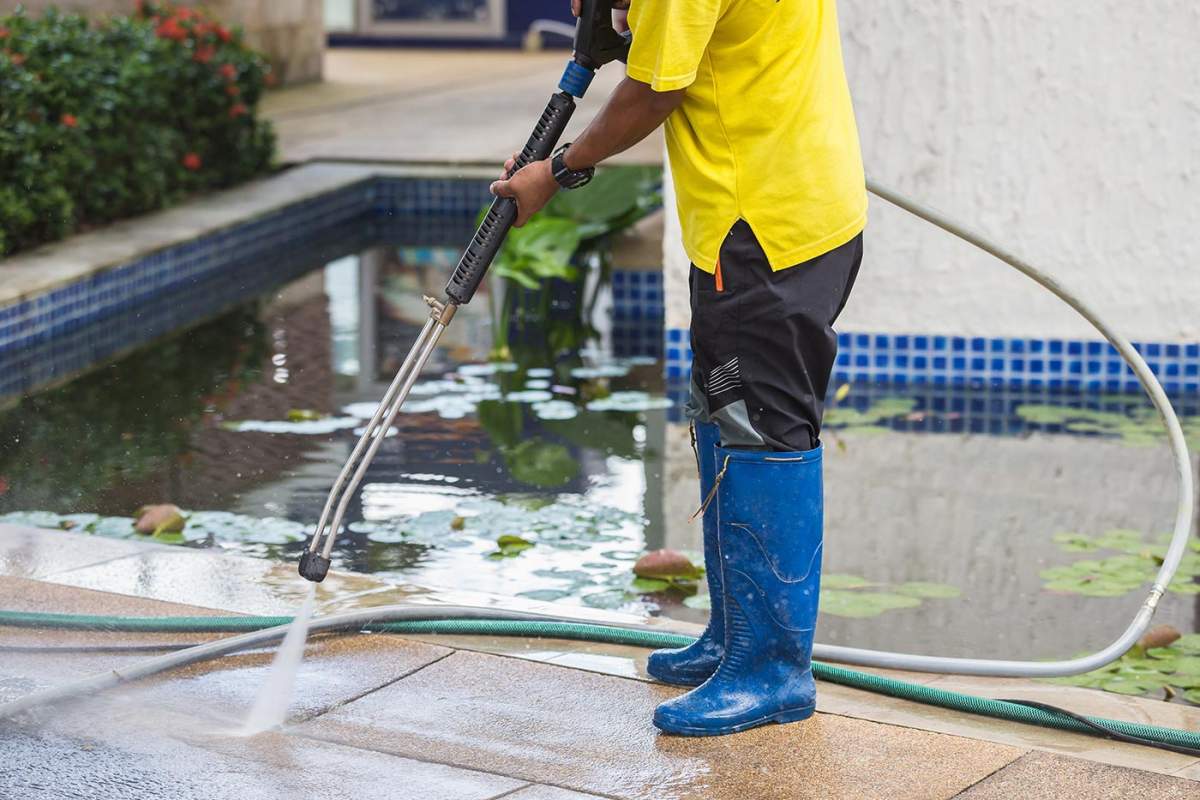
Professional assessment is helpful because aggressive treatment can create a lighter spot, roughened area, or inconsistent finish if the surface is not suited to that method. The objective is a balanced improvement that respects the existing condition of the patio.
How often should a concrete patio be professionally cleaned?
There is no single schedule that fits every property. Cleaning frequency depends on shade, moisture, nearby trees and landscaping, use levels, storm exposure, and how quickly the surface develops visible buildup.
A patio used frequently for outdoor meals may need attention based on appearance and cleanliness. A shaded patio with recurring dampness may require more regular maintenance than a sunny, open slab. Homes with screened outdoor areas, enclosed patios, or dense planting may also experience different patterns of debris and moisture.
Rather than relying only on a calendar, useful indicators include:
- Darkening along edges and joints
- Green or gray surface growth
- A noticeably slick feel after rain
- Dirt that remains after ordinary sweeping
- Uneven color across areas with different amounts of shade
- Stains that are becoming more difficult to distinguish from the concrete surface
What should residents ask before the work begins?
Property owners can make better maintenance decisions by asking how the surface will be evaluated and what results are realistic. Helpful questions include:
- Is the patio painted, sealed, stamped, or plain concrete?
- Are there existing cracks, flaking areas, or loose sections?
- Could nearby finishes be affected by the cleaning method?
- Which stains are likely to improve, and which may remain?
- Will furniture or movable objects need to be relocated?
- How will heavily shaded or damp sections be treated differently?
- Does the surface appear suitable for cleaning at this time?
These questions are especially useful for older patios, surfaces with decorative finishes, and properties where concrete connects to other exterior materials.
Why is professional exterior maintenance useful before seasonal gatherings?
A patio often becomes a central living area during comfortable weather. Cleaning before family visits, outdoor meals, or seasonal events can improve the overall appearance of the property without requiring replacement or decorative changes.
It also gives residents an opportunity to notice maintenance concerns that might otherwise be overlooked, such as a raised edge, a deteriorating joint, or water collecting near a doorway. Addressing those observations early can help prevent last-minute surprises before the space is used more heavily.
Professional concrete patio cleaning is best understood as routine exterior maintenance. It supports a cleaner, more usable outdoor area while helping property owners better understand the condition of the concrete beneath the visible buildup.