

 See My Latest Article on HelloNation
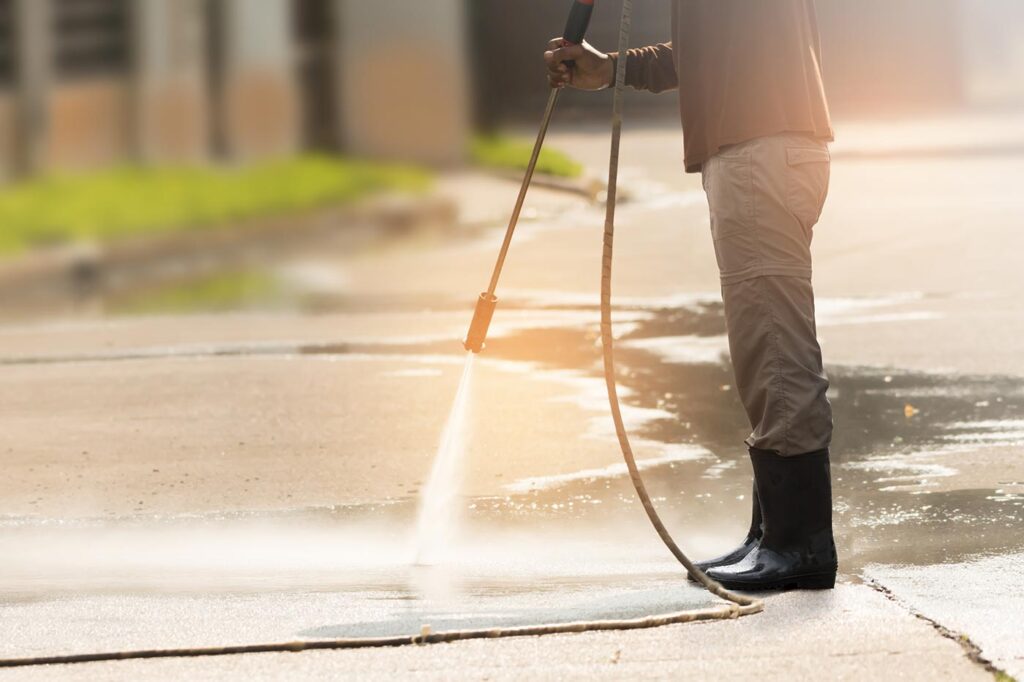
Why Do Homes in New Smyrna Beach, FL Require More Frequent Pressure Washing?
Coastal living in New Smyrna Beach means homes are constantly exposed to salty air, humidity, and frequent rain. These factors encourage the rapid buildup of mildew, algae, and salt residue on outdoor surfaces. Left untreated, these elements can degrade siding, decks, driveways, and even roofing materials more quickly than in many inland communities. Residents here often find that pressure washing isn’t just about looks—it's part of necessary home care in the local climate.
Does Pressure Washing Really Help Prevent Damage?
Yes—routine pressure washing helps protect a home's structure and finishes. Mold, mildew, and algae may seem harmless at first, but they break down wood, paint, stucco, and other construction materials if allowed to accumulate. For example, algae and lichens commonly thrive on shady walls and patio pavers in the city, especially after a wet season. Over time, these organisms trap moisture against surfaces, speeding up rot and corrosion. By removing them regularly, homeowners extend the life of siding, roofing, and concrete.
Can Pressure Washing Improve Curb Appeal and Property Value?
Freshly cleaned exteriors make a clear difference in how homes look. Sidewalks, driveways, and fences shed years of weather stains and mildew, boosting the home’s outward appearance. In New Smyrna Beach, with its active real estate market and abundant visitor traffic, maintaining curb appeal is especially relevant for homeowners considering selling or renting their properties. Agents often point out that clean, well-maintained homes are more attractive to potential buyers and tenants, who may interpret a spotless exterior as a sign of attentive upkeep.
How Does Regular Cleaning Affect Health and Safety Around the Home?
Powerful removal of mold, mildew, and pollen can contribute to a healthier environment both inside and outside the home. These contaminants collect on outdoor surfaces, then become airborne or tracked indoors—worsening allergies for local families and guests. Additionally, algae and mildew create slippery textures on pool decks, patios, and walkways, increasing the risk of slips and falls, especially after a storm or during the peak of humidity in summer. Regularly cleaning these areas helps reduce these hazards and supports safer entry and walking surfaces.
What Types of Surfaces Benefit Most from Pressure Washing?
Pressure washing is effective on a variety of common materials found in New Smyrna Beach homes:
- Concrete and brick driveways, which darken and become slick from organic buildup.
- Vinyl and painted wood siding, where algae, dust, and salt accumulate.
- Patio pavers and pool decks, which develop staining and moss quickly in shaded or moist locations.
- Cedar, composite, or pressure-treated decks, which can deteriorate without regular cleaning.
Some delicate surfaces, like old wood or painted trim, may require lighter pressure or special tips to prevent damage. Homeowners are advised to check manufacturers' recommendations or consult experts if there are concerns about surface fragility.
Are There Environmental Concerns with Pressure Washing in This Area?
New Smyrna Beach regulations and environmental norms encourage responsible water use and stormwater management. Runoff from pressure washing can carry detergents and debris into storm drains, affecting local waterways. If cleaning with any kind of soap or chemical (even those marked as "biodegradable"), homeowners should take care to minimize runoff onto gardens or stormwater systems. Using plain water and sweeping up debris first are common practices to limit environmental impact.
How Often Should Homes Be Pressure Washed in New Smyrna Beach?
There’s no strict schedule, as environmental factors, property layout, and landscaping all affect how often washing is needed. However, most area households find that an annual or semi-annual routine serves well for siding, walkways, and outdoor living spaces. After a particularly stormy or humid season, or before large gatherings or holiday decorating, some local homeowners tackle an extra wash. Frequent and light cleanings can be better than letting heavy buildup accumulate, as tougher stains may require higher pressure or more aggressive chemicals, risking surface damage.
Are There Risks or Mistakes to Avoid?
Common oversights include using excessive pressure on painted or delicate surfaces, failing to angle the spray properly (which can drive water behind siding or under roof shingles), or neglecting to cover sensitive landscaping. In addition, it is a misconception that all stains and growths can be removed with water pressure alone; some algae and lichens may require safe, appropriate cleaning solutions.
Homeowners in the city should always check for local regulations before pressure washing, particularly if working near wetlands or water bodies. Protective gear, such as eyewear and closed-toe shoes, is also recommended for safety.
What Are Practical Tips for Residents Getting Started?
- Test the pressure washer on a small, inconspicuous area to ensure it won’t damage the surface.
- Choose the correct nozzle for each task—wider tips are gentler for siding, while narrow ones suit tough concrete.
- Work in sections to avoid missing spots.
- On sunny days, surfaces may dry quickly, causing streaks—try to work in shaded areas or during cooler parts of the day.
- Sweep or brush away loose materials before starting to reduce debris runoff during washing.
By integrating these habits into routine property care, area homeowners can preserve the condition and appearance of their homes, reduce allergy and slip hazards, and meet community standards for clean, well-kept neighborhoods.