

 See My Latest Article on HelloNation
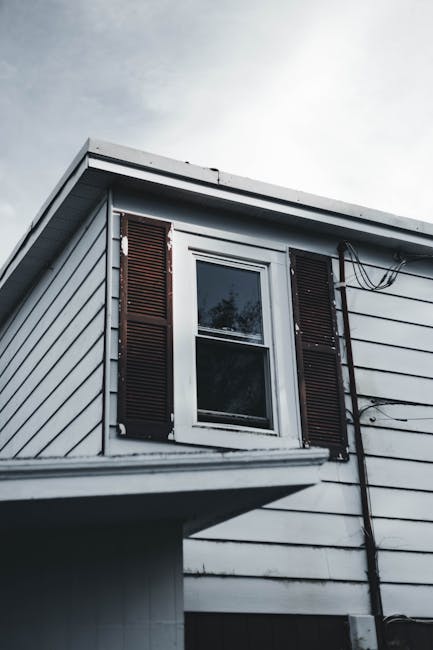
Living in New Smyrna Beach, FL, means enjoying salty breezes, vibrant sunshine, and beautiful coastal views. However, it also means your home’s siding faces constant challenges from humidity, ocean salt, mold, and mildew. Many homeowners consider pressure washing an easy way to keep their exteriors looking great. But before grabbing a pressure washer, it’s important to understand: Can pressure washing damage your home’s siding?
What Is Pressure Washing?
Pressure washing, or power washing, uses high-pressure water spray to remove dirt, mold, algae, and other debris from outdoor surfaces. It’s a common solution for cleaning everything from driveways to decks, and of course, home siding. However, the powerful water stream is not always as harmless as it seems.
Types of Siding Found in New Smyrna Beach
Coastal living in New Smyrna Beach means homes are often built with siding materials that can better withstand the climate:
- Vinyl siding – Popular for its affordability and resistance to coastal weather.
- Wood siding – Found on historic and cottage-style homes, but vulnerable to moisture and insects.
- Fiber cement siding – Durable and rot-resistant, yet heavy and sometimes prone to chipping.
- Stucco siding – Common in Florida for its insulation and coastal vibe.
Each siding type reacts differently to pressure washing. Let’s explore the risks.
How Pressure Washing Can Damage Siding
1. Cracking and Breaking
High water pressure can easily crack, chip, or break siding materials:
- Vinyl: Too much pressure can warp or crack panels, causing water to infiltrate behind the siding.
- Wood: Water at high pressure splinters wood and strips paint, creating an entry point for rot and termites.
- Fiber cement: Pressure can force small cracks to expand or the paint to chip off.
- Stucco: The stream can break off pieces or create holes in the plaster, requiring costly repairs.
2. Water Intrusion
One of the biggest issues coastal residents face is moisture, and pressure washing can push water where it doesn’t belong:
- Water forced behind siding can linger, leading to hidden mold and mildew—a real problem in humid New Smyrna Beach.
- Subsurface water can damage insulation, cause rot, and attract pests.
- Leaks created from improper washing may not be visible but can show up later in the form of bubbling paint or warped siding.
3. Fading and Etching
The exterior of homes near the ocean already endures UV exposure, which fades colors over time. Pressure washing at too high a PSI (pounds per square inch) can accelerate fading and even etch lines or streaks directly into your siding, especially on softer materials like wood or aged vinyl.
Safe Pressure Washing Tips for Coastal Homes
If you want to refresh your New Smyrna Beach home without risking damage, consider these guidelines:
- Read Manufacturer Recommendations: Most siding brands specify maximum pressure allowed—usually below 1,500 PSI for vinyl and wood.
- Start Low, Go Slow: Begin with the lowest setting and test a hidden section first.
- Maintain Distance: Hold the spray wand at least a foot from the surface. Getting too close increases the risk of damage.
- Use the Right Nozzle: A wide-angle (25–40°) nozzle is gentler than a pinpoint stream.
- Aim Down the Siding: Never spray upwards, as this can force water behind panels.
- Check for Damage First: Fix loose boards, cracks, or previous water issues before washing.
Why DIY Pressure Washing Isn’t Always Best
In a beach town like New Smyrna, homes accumulate algae and salt more rapidly. While it may be tempting to rent a pressure washer or borrow one from a neighbor, improper technique leads to expensive repairs. Professional pressure washing technicians know which cleaning solutions and nozzles are safe for each siding type and where local climate demands extra caution.
Alternative Cleaning Methods
For regular upkeep, consider these lower-risk options:
- Soft washing – Uses specialized cleaners and low pressure, ideal for delicate surfaces.
- Manual scrubbing – For small areas, a soft-bristled brush and soapy water will do the trick without the risk of high pressure.
- Hire local experts – Local pros are familiar with New Smyrna Beach’s unique climate and siding types, ensuring safe and effective cleaning.
FAQs: Pressure Washing and Siding Damage
Is it safe to pressure wash stucco or older wood siding?
Generally, both materials can be damaged easily. Use only soft washing or consult with an expert for the safest approach.
How often should I clean my home’s siding in New Smyrna Beach?
Every 1–2 years is common due to mildew and salt accumulation, but always inspect for wear before washing.
Can pressure washing remove mold and mildew safely?
Yes, with the right equipment and technique. Soft washing is usually better for mold removal on vulnerable materials.
What should I watch for after pressure washing?
Look out for bubbling paint, new cracks, or warped panels—a sign that water may have penetrated behind the siding.
Final Thoughts
Pressure washing can make your siding sparkle, but it’s not risk-free. Coastal homes in New Smyrna Beach require special care to prevent cracking, water intrusion, fading, and etching. When in doubt, consult a professional who understands the area’s specific needs. By choosing safe cleaning methods, you’ll keep your home’s curb appeal high and repair bills low—ensuring your property stays as breathtaking as the ocean view.