

 See My Latest Article on HelloNation
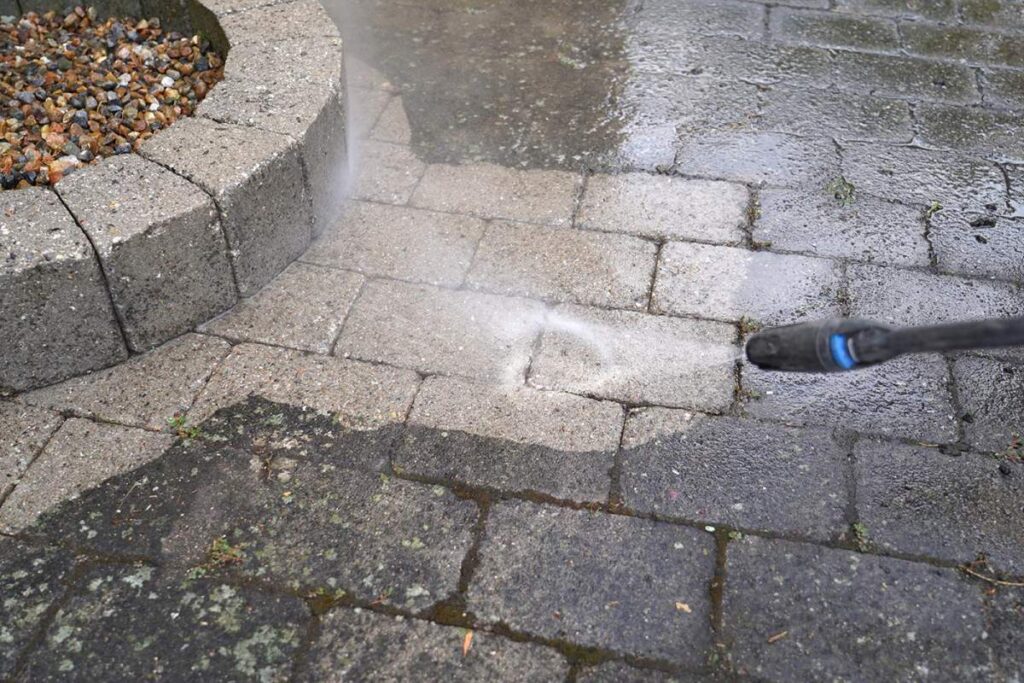
A property’s exterior often shapes the first impression before anyone notices the interior. In New Smyrna Beach, FL, professional exterior cleaning can help restore that impression by removing built-up dirt, organic growth, surface discoloration, and weather-related residue from areas that are difficult or risky to clean properly.
The goal is not simply to make a property look brighter for a short time. Appropriate exterior maintenance can also help preserve surfaces, reveal developing problems, and keep outdoor areas looking cared for throughout the year.
What does professional exterior cleaning do for curb appeal?
Professional cleaning improves curb appeal by restoring the visible condition of the property’s most noticeable surfaces. Driveways, walkways, siding, patios, pool decks, fences, entry steps, and exterior walls can all collect grime that makes a home or building appear older than it is.
Cleaning may help reduce:
- Dark streaks and surface stains
- Dirt carried by wind and rain
- Green or gray discoloration
- Pollen and seasonal residue
- Marks around entrances and walkways
- Accumulation along edges, corners, and shaded areas
The result is often a more even appearance across the property. A clean walkway can make an entrance feel more inviting, while a refreshed driveway can improve the appearance of the entire front elevation.
Why do coastal conditions affect exterior appearance?
New Smyrna Beach properties experience conditions that can speed up exterior discoloration. Humidity, strong sunlight, salt air, rainfall, and warm temperatures can all contribute to residue collecting on outdoor surfaces.
Shaded areas may stay damp longer after rain, especially around landscaping, fences, covered walkways, and the north-facing sides of structures. These conditions can encourage organic buildup and make surfaces appear dull or blotchy.
Outdoor materials also respond differently to the local environment. Concrete may develop dark patches, painted surfaces may show streaking, and textured materials can hold more dirt than smooth surfaces. Professional cleaning takes the material, age, condition, and surrounding environment into account rather than treating every surface the same way.
Which parts of a property benefit most from cleaning?
The most noticeable improvement often comes from cleaning surfaces that frame the home or receive frequent foot traffic. These areas are seen repeatedly by residents, guests, neighbors, and passersby.
Common examples include:
Driveways and walkways
These surfaces collect vehicle residue, dust, dirt, and organic discoloration. Because they lead directly to the entrance, their condition has a strong effect on the property’s overall appearance.
Siding and exterior walls
Exterior walls can develop uneven streaks and dull patches over time. A suitable cleaning approach can refresh the surface without treating delicate siding, painted materials, or masonry as if they were the same.
Patios and pool decks
Outdoor living areas often show dirt more quickly because furniture, foot traffic, moisture, and landscaping are concentrated there. Cleaning can help restore a more consistent appearance before gatherings or after periods of heavy seasonal use.
Fences and gates
Fences are easy to overlook because they sit along the property line, but discoloration across a long fence can make an otherwise well-kept yard appear neglected.
Entry areas
Front steps, porches, railings, and covered entrances receive close visual attention. Cleaning these areas can make the property feel more maintained without changing its design or landscaping.
How does professional cleaning help protect exterior surfaces?
Professional cleaning can support property protection by removing residue that holds moisture, hides surface changes, or contributes to gradual deterioration. The cleaning itself is only one part of the process; choosing an appropriate method for the material is equally important.
A trained technician typically considers:
- Whether the surface is concrete, masonry, wood, vinyl, painted, or coated
- How old or weathered the material is
- Whether cracks, loose coatings, or failing joints are present
- How much pressure or agitation the surface can tolerate
- Whether nearby fixtures, trim, screens, or landscaping require special care
- Whether staining is superficial or connected to a deeper surface problem
Excessive force can damage some materials, while insufficient cleaning may leave behind the buildup that caused the appearance problem. The right technique is generally based on surface condition rather than using the same process throughout the property.
Can cleaning reveal maintenance issues?
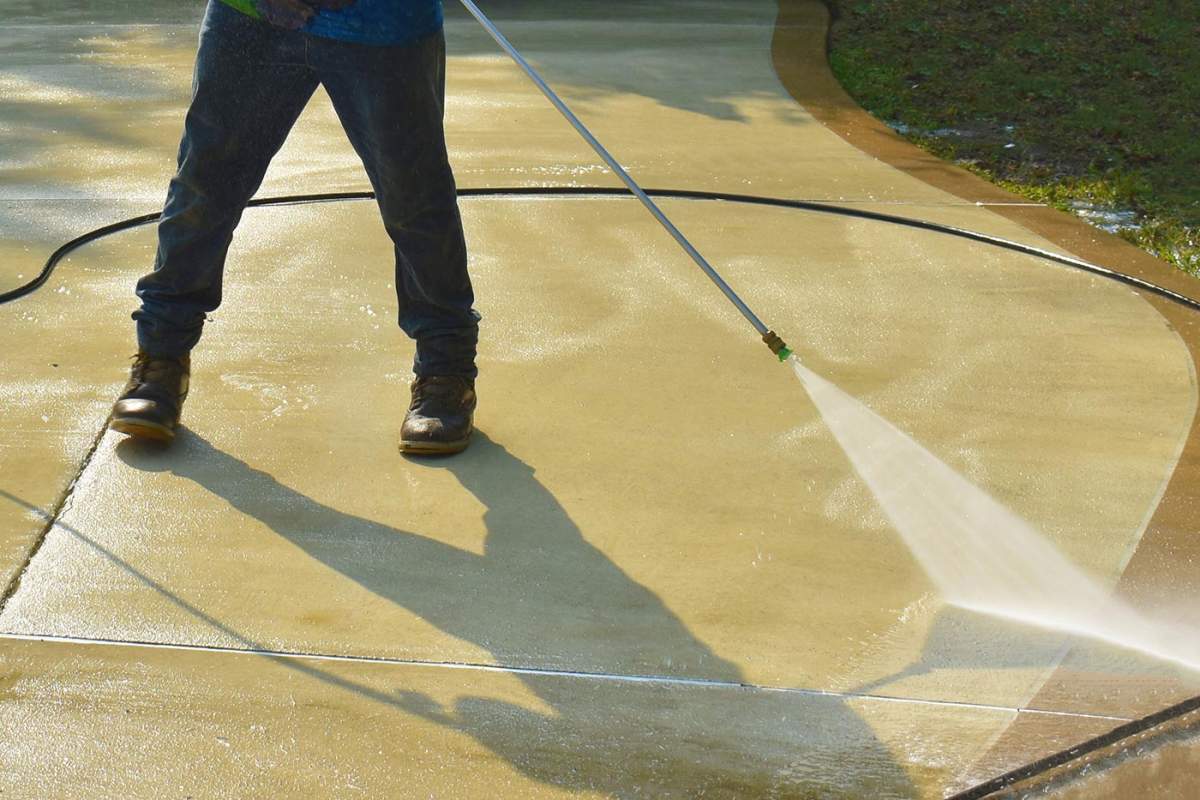
Yes. Removing surface dirt can make small problems easier to see. This may include cracked concrete, loose paint, deteriorated caulking, damaged screens, worn sealants, or areas where water has been collecting.
Cleaning does not repair those conditions, but it can provide a clearer view of them. That information may help property owners prioritize future maintenance before a minor concern becomes more expensive or disruptive.
For example, a dark area along a walkway may be ordinary surface buildup, but it may also draw attention to a low spot where rainwater remains. A discolored wall may simply need cleaning, or it may show signs of a damaged gutter or recurring moisture pattern.
How often should a property be professionally cleaned?
There is no single schedule that fits every property. Cleaning frequency depends on shade, nearby vegetation, surface type, weather exposure, drainage patterns, and how quickly discoloration returns.
Properties with heavy shade or frequent moisture may need attention sooner than sunny, open areas. Homes near the coast may also show surface residue differently from properties farther inland. Some owners prefer periodic maintenance to keep buildup from becoming noticeable, while others schedule cleaning when specific areas begin to affect the property’s appearance.
A practical approach is to evaluate the exterior seasonally and after periods of unusually wet or windy weather. The condition of the surface matters more than following a rigid calendar.
Is professional cleaning useful before painting or other exterior work?
Professional cleaning can be useful before painting, sealing, staining, or making exterior repairs because coatings generally perform better on surfaces that are free of loose dirt and residue. Cleaning also helps reveal areas that may need preparation or repair before new materials are applied.
However, the surface may need adequate drying time and additional preparation after cleaning. Paint, sealants, and other coatings should not be applied simply because a surface looks cleaner. The condition and moisture level of the material should be considered as part of the larger project.
When is professional cleaning the safer choice?
Professional service is most appropriate when surfaces are elevated, difficult to access, fragile, heavily stained, or located near electrical fixtures and other hazards. It can also be helpful when the property includes several different materials that require different cleaning approaches.
A professional evaluation is especially useful when discoloration may be connected to a drainage issue, surface damage, or an aging coating. In those situations, cleaning should be viewed as part of responsible exterior maintenance rather than a purely cosmetic task.
What should property owners expect from a quality cleaning process?
A thoughtful process begins with assessing the property rather than immediately applying equipment. The condition of each surface, the surrounding features, and the desired result should guide the work.
Good exterior maintenance usually includes clear attention to:
- Surface-specific cleaning methods
- Protection of delicate architectural details
- Consistent results across visible areas
- Care around doors, windows, fixtures, and landscaping
- Identification of conditions that may require repair
- Reasonable expectations about stains that are permanent or deeply embedded
Some discoloration can be substantially reduced but not completely removed, particularly when a surface has aged, faded, rusted, or experienced long-term damage. Understanding that difference helps property owners judge the results fairly.
Clean exteriors do more than improve appearance. In a coastal community with humid weather and frequent outdoor living, regular surface care can help properties look maintained, make developing issues easier to recognize, and preserve the visual character of the home or building over time.